August 24, 2026
Maintaining the pristine appearance of a premium vehicle requires careful consideration of environmental hazards, road debris, and regular driving wear. Everyday driving constantly exposes delicate exterior surfaces to flying gravel, harsh weather conditions, abrasive dirt, and accidental parking scrapes. Over time, these minor surface incidents accumulate into unsightly scuffs and deep swirl marks that detract from the overall aesthetic appeal and long-term resale value of your vehicle. When navigating crowded highways or busy streets, exploring effective paint protections can save you from constant cosmetic worry and keep your clear coat looking flawless.
Choosing the correct defense system for your automobile is not a simple standardized decision. Different vehicle owners face distinct environmental challenges depending on their regional weather patterns, daily driving habits, and routine parking situations. Understanding how to thoroughly evaluate various exterior options allows you to make an informed choice that matches your lifestyle and preserves your valuable automotive investment. By taking a proactive approach to surface preservation early on, you can effectively safeguard your car against widespread finish damage while enjoying a smooth, radiant gloss every time you drive.
Understanding Your Vehicle Finish
Before selecting a specific protective solution, it is essential to assess the current condition and unique characteristics of your vehicle exterior. Modern automotive paint systems typically consist of multiple specialized layers, including an underlying primer, a pigmented color coat, and a durable exterior clear coat. The clear coat provides visual depth and brilliant shine, but it is also the outermost layer that remains most vulnerable to physical abrasions, swirl marks, and environmental contamination. Vehicle owners often feel overwhelmed when comparing various paint protections available on the market today, yet analyzing specific surface vulnerabilities makes the final decision far simpler.
Thinner clear coats on certain vehicle makes and models may require enhanced physical defense against road impacts, while vehicles featuring darker paint colors tend to reveal micro-scratching much more noticeably. Recognizing how ambient light interacts with subtle surface imperfections can help you determine the precise level of durability needed for your ride. Softer paint formulations require delicate handling and robust defensive barriers, whereas harder clear coats might only need surface sealing to prevent fine swirl marks from washing. By carefully examining your vehicle's clear coat state, you establish a solid foundation for picking an option that addresses your primary cosmetic priorities.
Evaluating Daily Driving Hazards
Your daily driving route plays a crucial role in determining the specific type of exterior defense your car requires. Commuters who frequently travel on busy highways experience high-velocity gravel, loose asphalt, road salt, and flying debris that can easily chip clear coats. On the other hand, city drivers might regularly encounter tight parking spaces, rogue shopping carts, narrow alleys, and low-hanging tree branches that create long surface scuffs. Understanding how external elements cause micro-abrasions helps in selecting suitable paint protections for daily commutes.
Environmental exposure also differs greatly depending on geographic location and outdoor storage conditions. Drivers in sunny regions face intense solar radiation that degrades exterior finishes over time, while those in cooler climates deal with harsh road grit and winter de-icing chemicals. According to Technavio, nearly 2.2 million car owners hire professional shops annually for ceramic coating or paint protection film installations. Assessing your local road conditions and seasonal climate allows you to customize your overall defensive strategy, ensuring your vehicle receives optimal defense against the exact hazards encountered during daily operation.
Comparing Protective Material Options
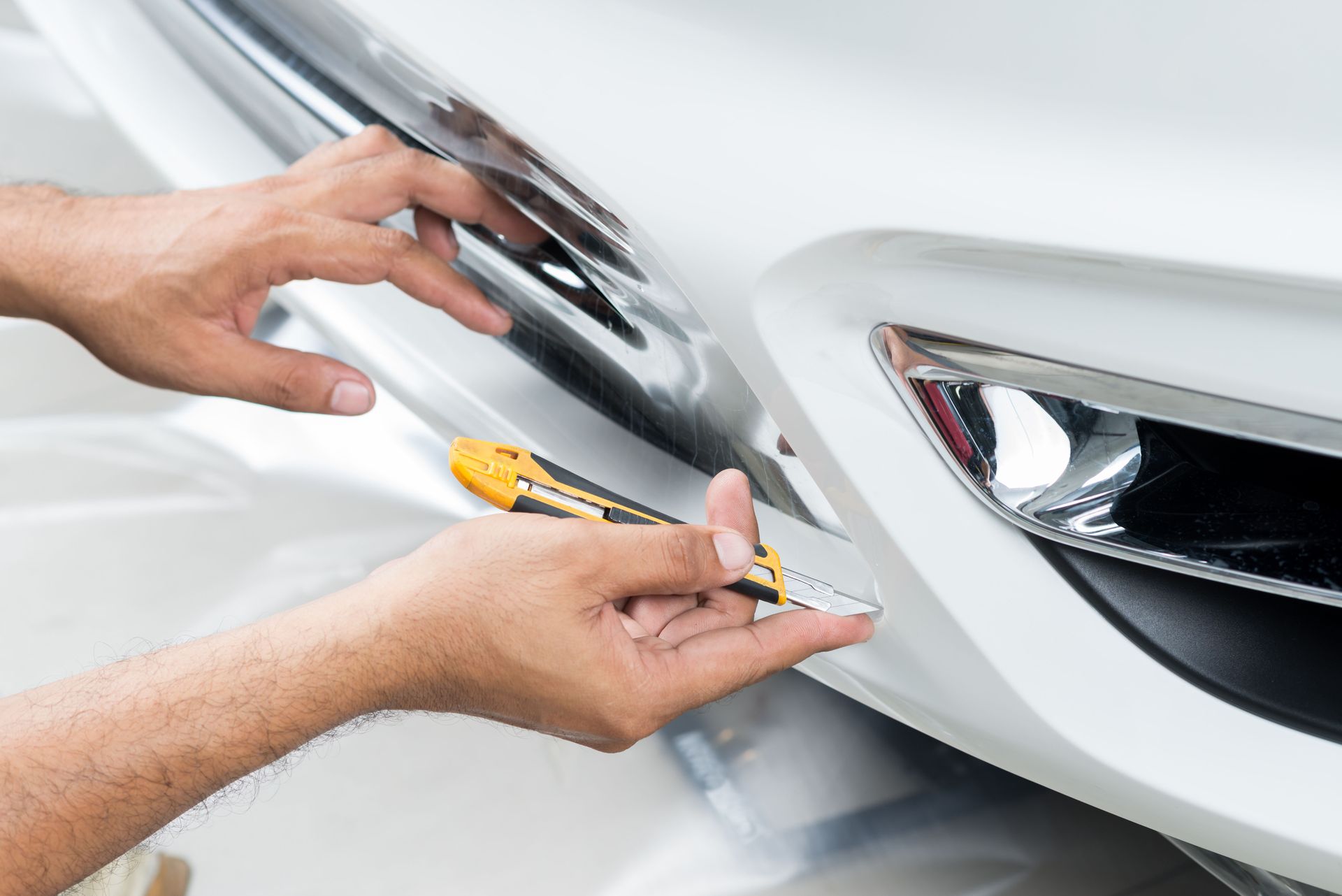
The modern automotive aftermarket offers diverse technological solutions designed to shield exterior surfaces, ranging from liquid chemical coatings to thick physical films. Polymer sealants and ceramic coatings create a strong hydrophobic bond on top of the clear coat, making the surface remarkably slick and highly resistant to chemical contamination, bird droppings, and light atmospheric oxidation. However, heavy physical films provide a thicker elastic layer capable of absorbing substantial impact energy from loose stones and sharp objects that would otherwise gouge through standard paint layers.
Different paint protections utilize distinct chemical formulas and physical properties to absorb impact energy and deflect surface contaminants cleanly. Physical films frequently feature specialized self-healing properties, allowing minor surface scratches and swirl marks to disappear automatically under gentle heat exposure, such as warm sunlight or warm water. Meanwhile, advanced liquid coatings excel at enhancing depth, clarity, gloss, and hydrophobic water repellency, making regular vehicle cleaning nearly effortless. Reviewing the distinct physical capabilities of each option enables you to balance impact resistance against high-gloss visual enhancement based on your preferences.
Selecting Appropriate Coverage Zones
Opting for full vehicle coverage is not always necessary to achieve thorough and effective automotive preservation. Many vehicle owners choose targeted application packages that focus exclusively on high-impact zones that face the brunt of road exposure. Front bumpers, side mirrors, lower hoods, and front fenders absorb the vast majority of kicked-up road debris and flying gravel during highway travel. Protecting these specific forward-facing panels preserves highly visible critical areas while optimizing overall material application efficiency.
Determining where your vehicle experiences the most physical exposure guides your choice of paint protections for vulnerable panels. Rocker panels, door edges, door handle cups, and rear trunk loading zones also benefit significantly from added defensive layers due to frequent physical contact from passengers and cargo. High-traffic areas on larger sport utility vehicles, crossovers, or trucks often require specialized panel coverage to prevent accidental scrapes during everyday loading or off-road excursions. Evaluating physical contact zones allows you to tailor application areas to match real-world exposure patterns seamlessly.
Prioritizing Quality Professional Application
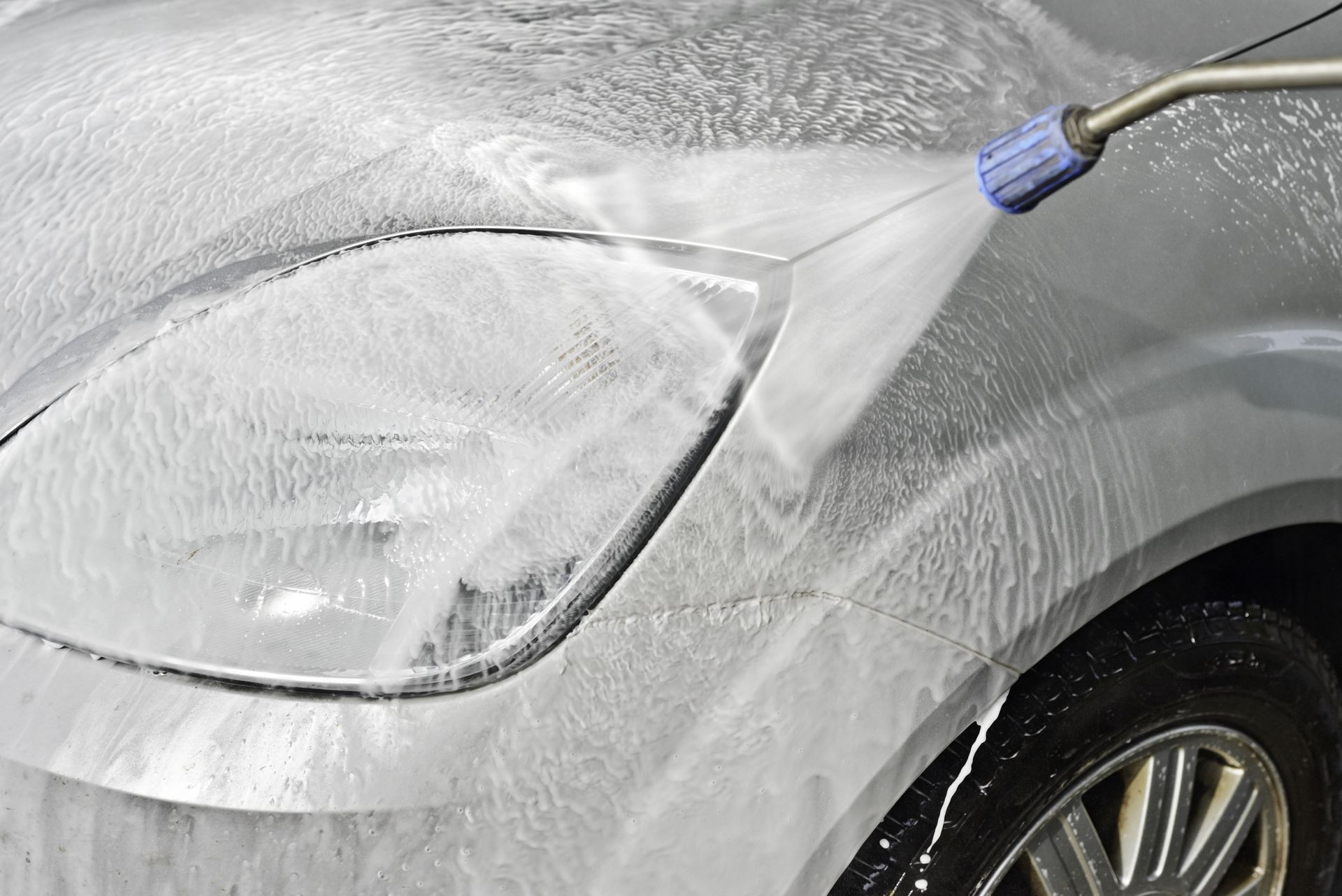
Even the highest grade defensive material will fail to perform as intended if applied over contaminated or improperly prepared surfaces. Professional installation involves rigorous surface decontamination, thorough paint correction polishing, and precision fitting to ensure seamless edge wrapping and maximum long-term adhesion. Meticulous surface preparation removes embedded iron particles, road tar, industrial fallout, and microscopic dirt that could compromise the bonding process or create visible imperfections under applied layers.
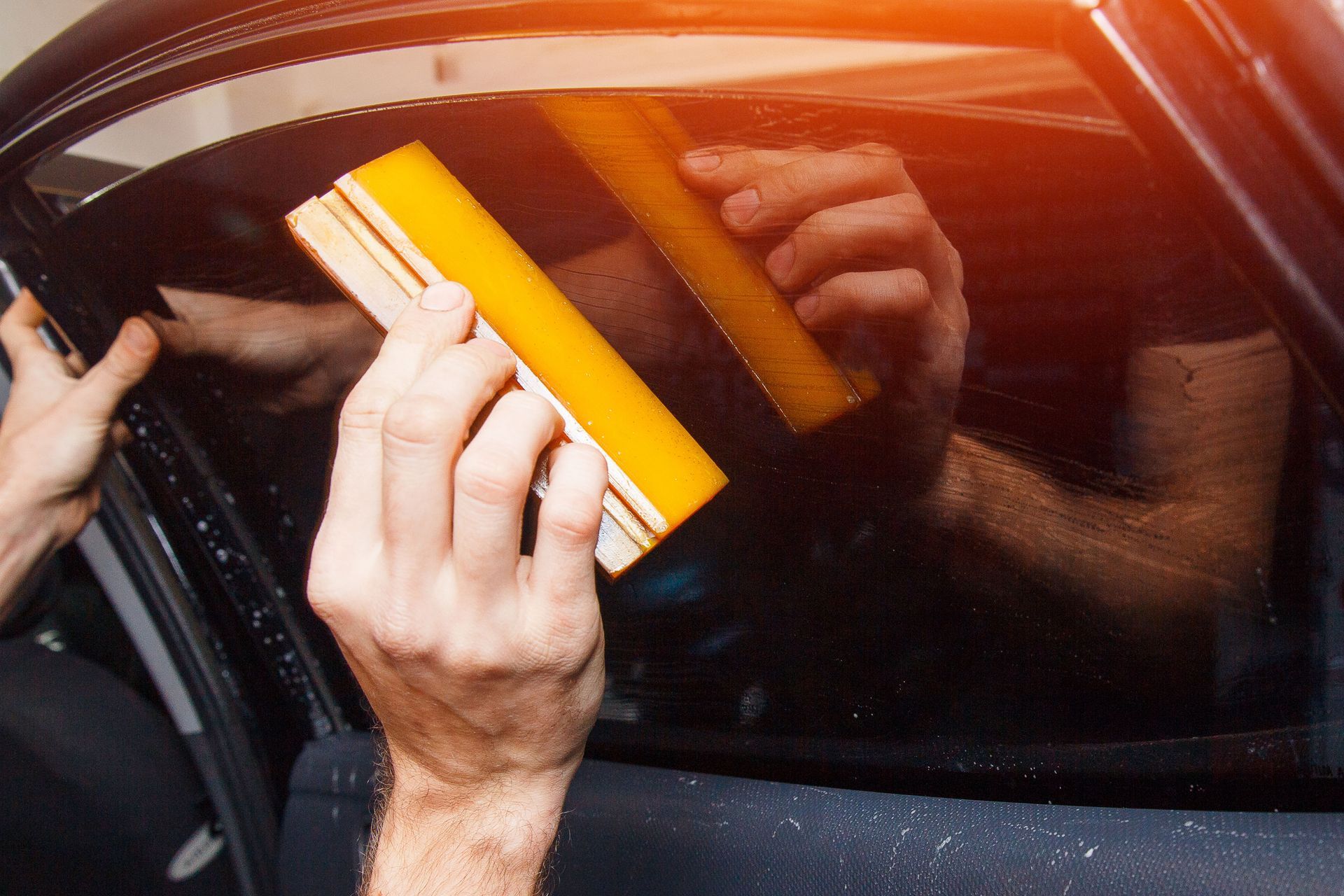
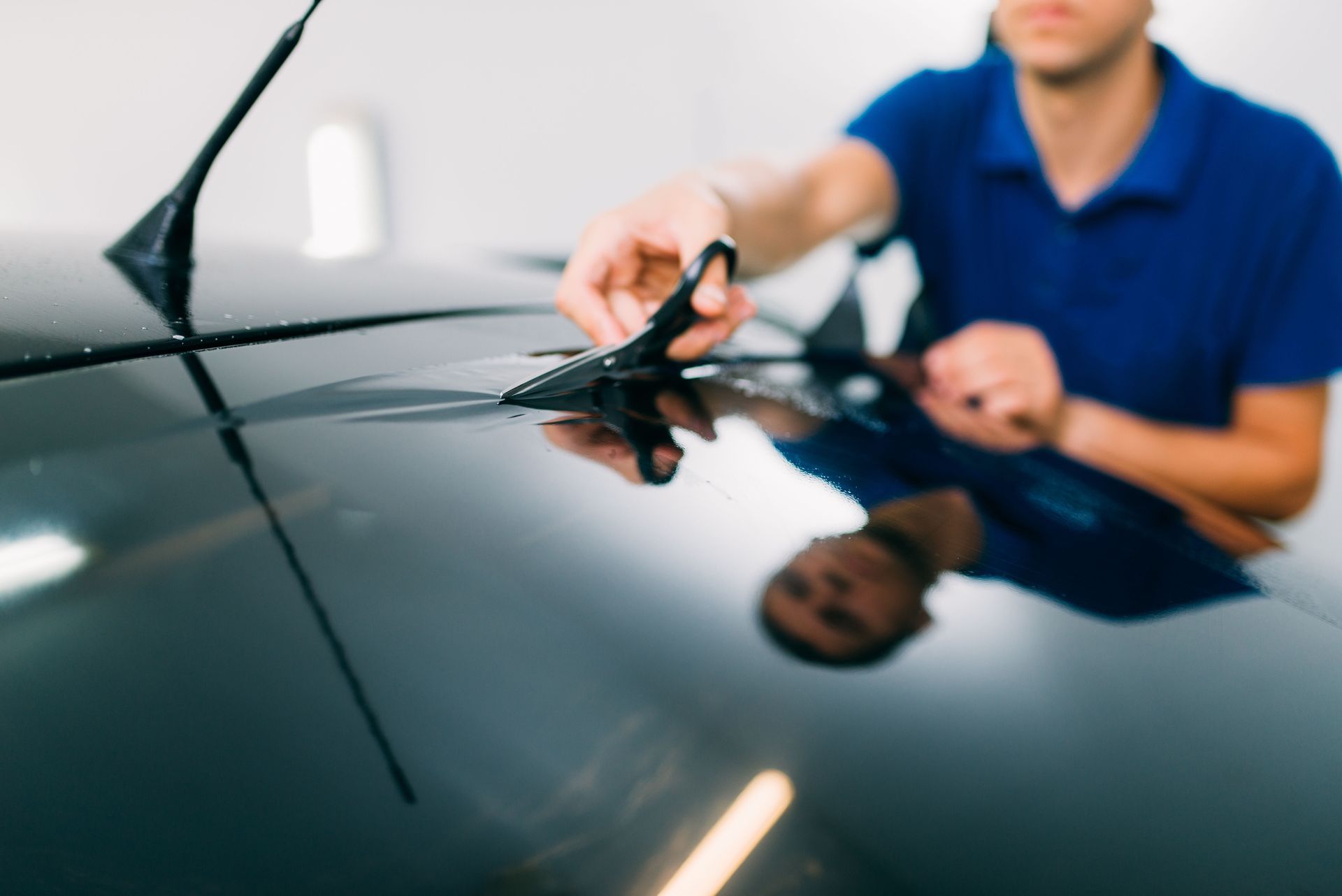
Achieving seamless results relies heavily on expert application regardless of which paint protections you choose. Certified technicians work inside climate-controlled shop environments free of airborne dust and floating debris, preventing trapped contamination beneath applied materials. Expert installation ensures smooth lines, invisible edges, and complete curing without air bubbles, lifting, or stretching distortion. Choosing skilled craftsmanship guarantees that your investment provides durable, long-lasting performance and flawless visual appeal across every complex curved surface of your vehicle.
Maintaining Long-Term Surface Integrity
Sustaining the defensive performance and clarity of your selected surface barrier requires appropriate ongoing maintenance practices over time. Traditional automatic drive-through car washes equipped with heavy abrasive brushes can damage smooth protective surfaces, leading to severe swirl marks and reduced gloss clarity over time. Adopting gentle hand-washing techniques with pH-balanced liquid cleansers and plush microfiber wash mitts preserves exterior surface smoothness and hydrophobic properties.
Establishing a proper routine ensures that your chosen paint protections continue working efficiently for years. Periodic application of compatible ceramic boost sprays or specialized toppers reinforces hydrophobic qualities and restores brilliant reflection. Promptly removing bug splatter, bird droppings, tree sap, and road grime prevents chemical etching on the delicate clear top layer. By dedicating routine time to straightforward maintenance habits, you maximize the active service life of your exterior defense system while keeping your automobile in pristine showroom condition.
If you are ready for exceptional vehicle paint protections that keeps your finish looking pristine, contact us at Highline Customs today. We will help you select the ideal option to safeguard your vehicle against scratches and road debris.