June 12, 2026
Exploring auto glass tinting involves examining the materials, techniques, and maintenance associated with the process. Selecting the correct window film offers multiple advantages, ranging from enhanced privacy and aesthetic customization to increased interior comfort. Delving into the intricacies of this field reveals a rich history of technological innovation designed to meet diverse vehicle owner demands. Understanding how these films are manufactured and applied allows consumers to make informed investments in vehicle longevity and passenger well-being.
Exploring Historical Innovations
Auto glass tinting has a storied past dating back to the early 20th century when darker glass was first introduced to reduce glare and heat penetration. Initially reserved for luxury vehicles, tinted windows gradually became mainstream as manufacturers and consumers recognized their functional benefits. Over the years, the development of advanced application techniques markedly transformed the market. According to Medium, window tint can block up to 99% of UV light, safeguarding passengers and preserving the vehicle's interior. This historical evolution highlights a continuous industry commitment to safety, efficiency, and compliance with modern regulatory standards.
Early auto tinting concepts were met with skepticism due to visibility and public safety concerns. However, technological advancements addressed these issues by creating specialized films that allow clear visibility from the inside while maintaining a darker exterior appearance. This breakthrough led to wider acceptance across various regions and climates, establishing window film as an industry standard. Today, vehicle owners routinely utilize these solutions to fulfill a demand for energy efficiency and enhanced style, proving that the modern market has successfully merged practical utility with environmental responsibility.
As consumer preferences shifted toward sustainability, manufacturers adapted their formulation processes to eliminate harmful chemical computational byproducts. Early manufacturing heavily relied on simple dye applications that were prone to rapid purpling and degradation under consistent solar exposure. The introduction of standardized quality metrics revolutionized the marketplace, forcing brands to invest in highly stable, multi-layered polyester structures. This progressive shift ensured that modern vehicle modifications deliver long-lasting value, paving the way for the sophisticated, resilient films utilized across the global automotive sector today.
Enhancing Vehicle Functionality
In modern vehicles, window films play a pivotal role in upgrading safety, comfort, and structural protection. By significantly reducing glare from sunlight or oncoming headlights, treated windows improve driver visibility and alleviate eye strain during long commutes. Furthermore, increased privacy acts as a natural deterrent against break-ins by concealing valuables left inside the cabin. As the automotive market evolves, the emphasis on passenger well-being firmly establishes professional film application as an essential vehicle feature rather than a simple cosmetic luxury.
Energy efficiency represents another vital role that modern glass treatments fulfill. By regulating interior temperatures, tinted windows prevent excessive heat build-up, which directly reduces the need for constant air conditioning utilization. This improvement in thermal management translates to better fuel economy and minimized strain on the vehicle's cooling components. Additionally, minimizing exposure to ultraviolet rays prevents dashboard cracking and maintains upholstery quality. These multifaceted advantages demonstrate that integrating auto tinting into a vehicle's design delivers long-term economic and environmental rewards.
Operating a vehicle in high-temperature environments places immense physical stress on both the driver and the onboard electrical components. When radiant heat saturates the cabin, sensitive navigation screens and synthetic materials face rapid acceleration of normal wear and tear. Implementing a robust thermal barrier significantly stabilizes internal cabin electronics, mitigating the risk of premature component failure. This secondary layer of preservation illustrates that professional glass upgrades provide an invaluable shield, keeping the mechanical and cosmetic infrastructure of a vehicle fully optimized for years.
Selecting the Best Film Type
The spectrum of options available today caters to an extensive array of consumer preferences, budgets, and performance requirements. Popular choices include dyed window films, metallic options, carbon variants, and ceramic films. Dyed films represent an economical choice focused on absorbing sunlight and reducing glare, though they offer limited heat reduction. Metallic films incorporate tiny particles that reflect heat and light, enhancing privacy while adding a sleek exterior appearance. Each material tier presents distinct traits, allowing owners to customize their selection based on localized performance needs.
Carbon and ceramic variations represent the premium categories, distinguished by superior heat-rejection properties. Carbon films utilize specialized particles to block infrared light effectively, resisting heat buildup without interfering with electronic signals or mobile devices. Ceramic films feature advanced nanotechnology for unparalleled resistance against solar energy and fading, delivering optimal longevity and optical clarity. Darkness levels are measured via Visible Light Transmission (VLT) percentages, where lower percentages indicate darker shades. Thoroughly researching these specifications ensures optimal compliance with regional regulations and individual goals.
Selecting the ideal material requires a balanced evaluation of climate conditions, typical driving hours, and financial parameters. For instance, drivers residing in arid, sun-drenched regions often derive the greatest utility from high-end ceramic options due to their structural resilience against continuous thermal exposure. Conversely, casual drivers seeking basic privacy enhancements might find entry-level dyed or metallic solutions perfectly adequate for their routine commuting needs. Consulting with industry experts helps drivers navigate these diverse material compositions to secure a configuration tailored perfectly to their operational lifestyles.
Comparing Factory and Aftermarket Upgrades
Differentiating between factory treatments and aftermarket films is essential when evaluating window upgrades. Factory options are integrated during the vehicle's manufacturing process via deep dipping, which chemically alters the glass color. Generally limited to rear windows, factory glass lacks the comprehensive thermal protection and specialized ultraviolet barriers provided by professional film configurations. While factory glass provides basic aesthetic privacy, it rarely accommodates advanced functional demands, frequently requiring owners to seek additional aftermarket enhancements to achieve maximum cabin comfort.
Aftermarket films are applied post-manufacturing and offer versatile darkness choices, superior heat rejection, and robust solar protection. These durable films are available in numerous layouts, allowing drivers to select variations that best fit their lifestyle, local climate, and state legal limits. Premium aftermarket applications can also incorporate specific safety features, such as impact resistance to hold shattered glass together during collisions. Choosing aftermarket solutions represents a direct investment in customized vehicle performance, longevity, and overall passenger safety.
The clear structural divergence between these two approaches becomes highly apparent during extended summer months. Factory-treated glass readily allows infrared heat waves to penetrate the vehicle cabin, creating an oppressive greenhouse effect despite the dark appearance of the windows. Aftermarket options are explicitly engineered with microscopic reflective barriers that proactively repel these invisible wavelengths before they cross the glass threshold. Understanding this fundamental performance gap empowers vehicle owners to reject aesthetic assumptions and pursue high-performance aftermarket retrofitting for true environmental isolation.
Securing Flawless Professional Application
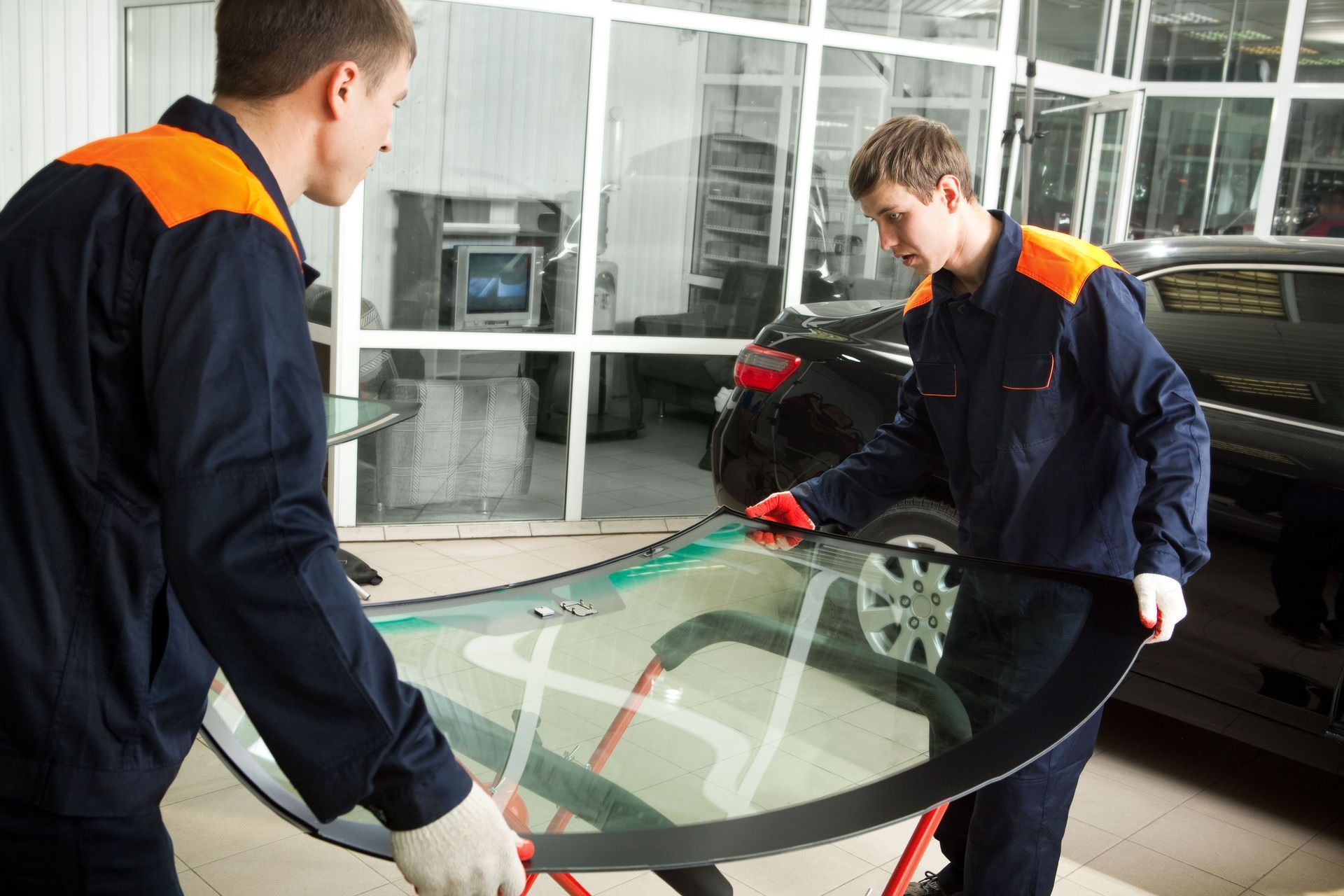
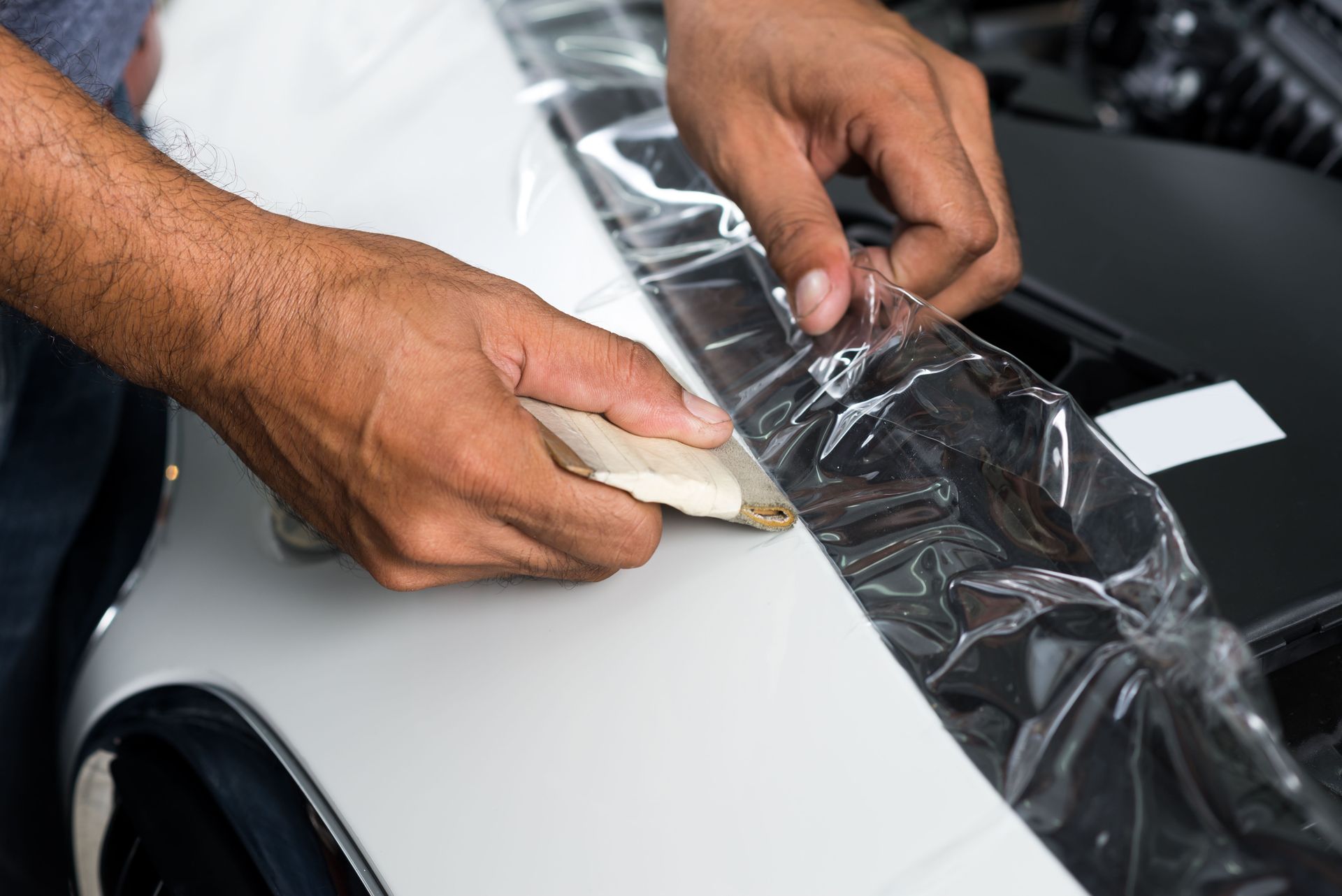
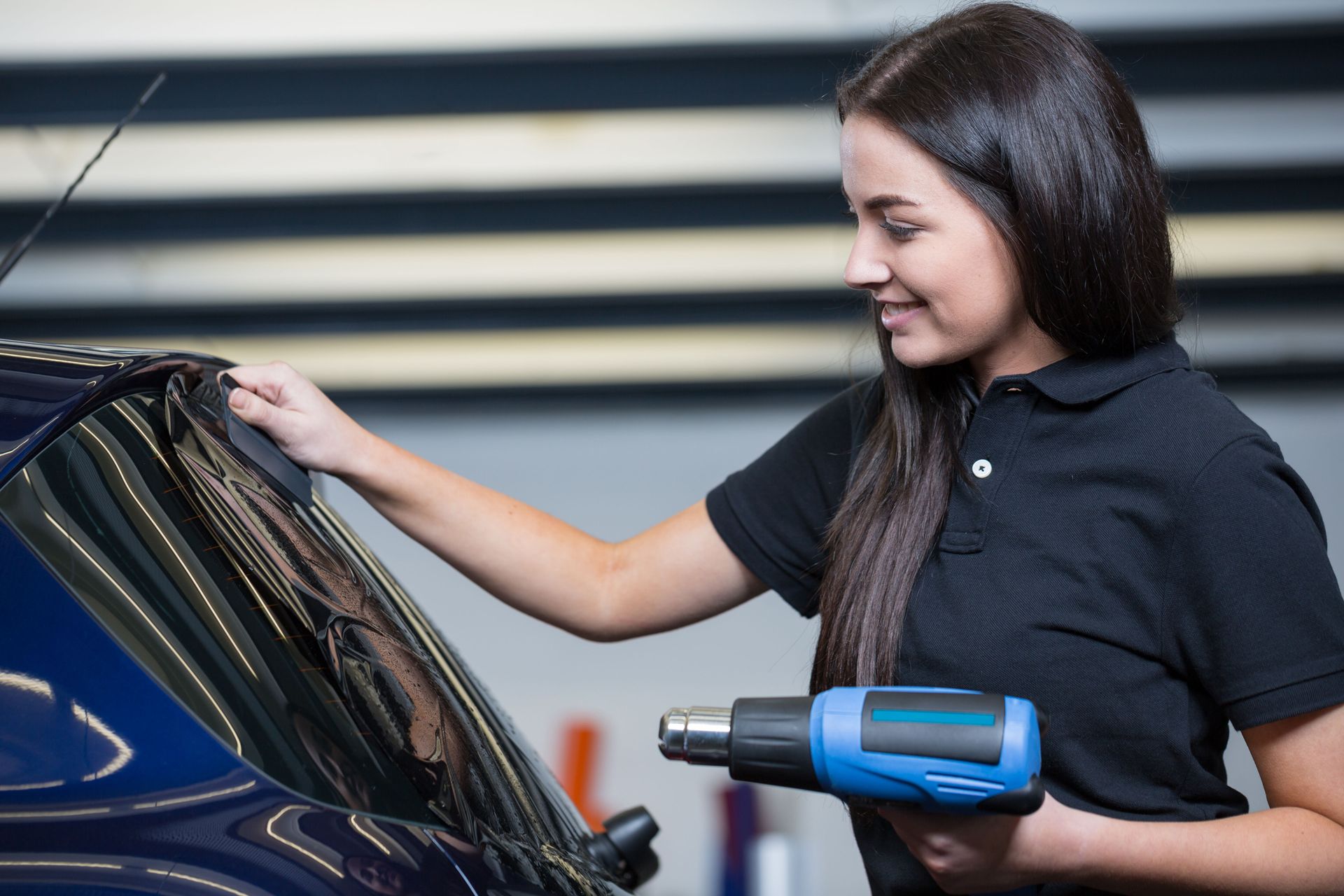
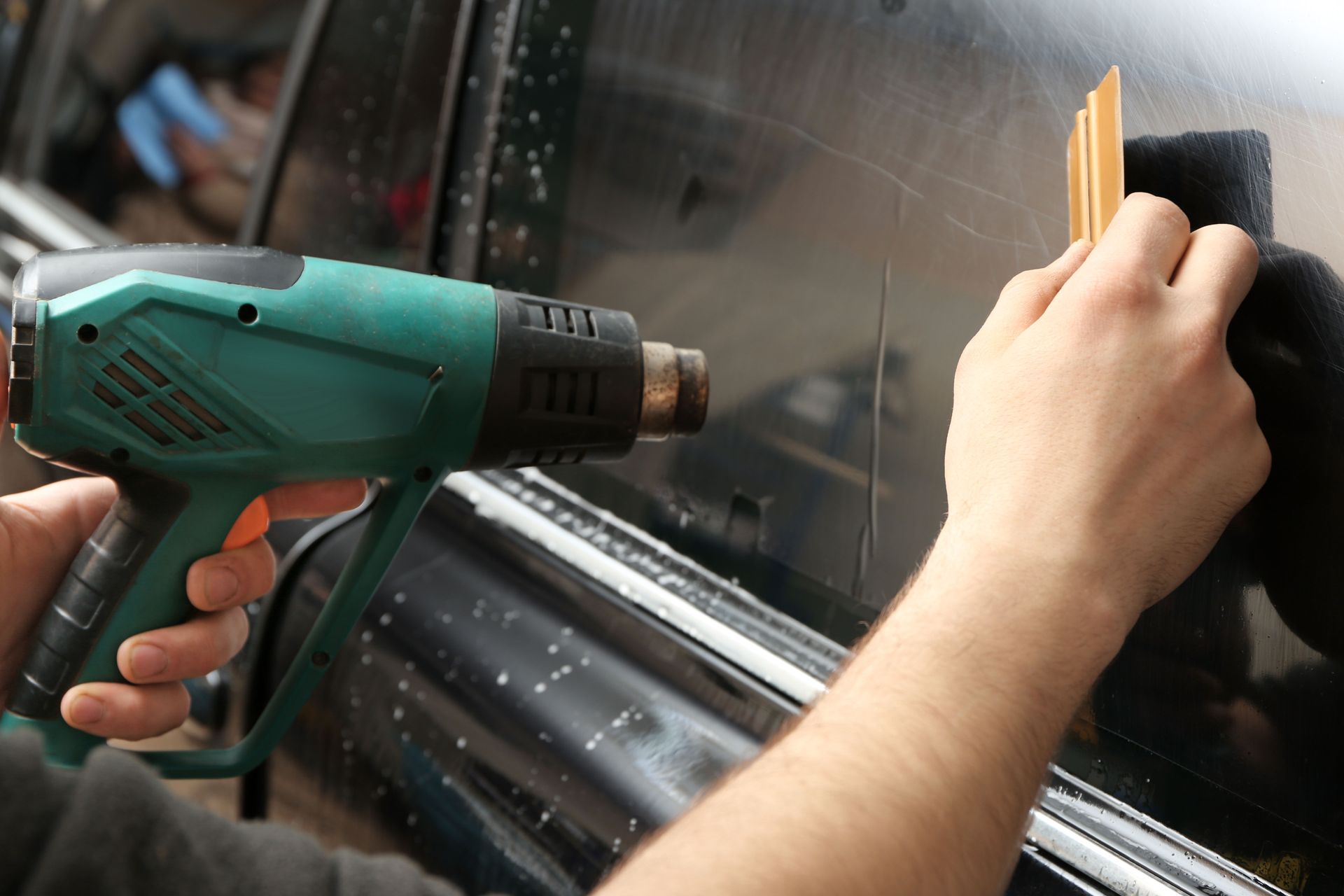
Achieving a perfect finish requires specialized tools, controlled environments, and precise execution. The process begins with a comprehensive inspection of the glass surface to identify pre-existing defects, followed by a multi-stage cleaning to remove microscopic debris. Installers precisely cut the film to match the exact dimensions of each window pane. Using precise heat-shrinking techniques, technicians mold the material to the curved exterior of the glass before moving to the interior surface for final positioning, ensuring maximum adhesion without bubbling or peeling.
Enlisting certified technicians guarantees that the selected auto tinting product is installed according to strict industry standards and manufacturer warranties. While amateur DIY kits are commercially available, they often lack the resilience, optical clarity, and compliance assurances of a commercial install. Professional application ensures the investment remains pristine and legally sound over the lifespan of the vehicle. For more information about the services that we offer, reach out to our incredible team at Highline Customs today!