October 24, 2026
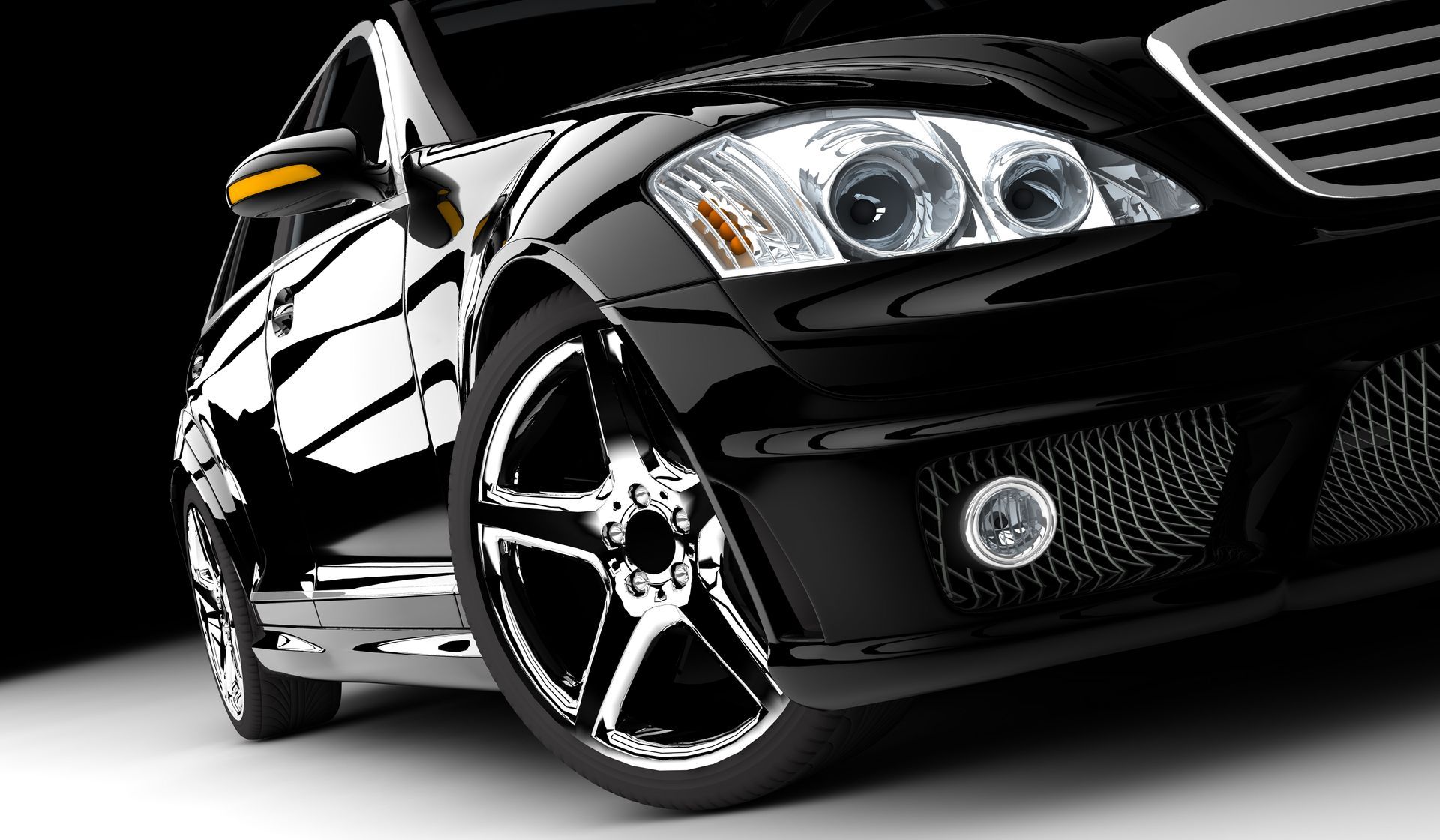
Preserving the exterior aesthetic appearance of an automobile requires dedicated effort, informed material choices, and consistent maintenance habits. Investing in proper paint protection is essential for maintaining a flawless exterior finish across all changing seasons. Modern automotive finishes vary greatly in chemical composition and overall structural vulnerability, meaning that a single uniform maintenance solution rarely fits every driving situation. By adopting a comprehensive, proactive care strategy that combines routine cleaning, specialized protective coatings, and smart storage practices, drivers can successfully block damaging elements before severe surface harm occurs. Exploring these fundamental care methodologies allows vehicle owners to make smart decisions that keep their vehicles looking factory-fresh for years to come.
Understand Vehicle Paint Vulnerabilities
Automotive factory finishes come in several distinct material formulations, each presenting unique maintenance requirements and aesthetic traits. Single-stage solid finishes offer classic color saturation but lack the protective clear coats found on modern multi-layer setups. Metallic finishes incorporate fine reflective metallic particles that create a brilliant sparkle, whereas pearlescent options utilize synthetic ceramic crystals to achieve deep color shifts under dynamic ambient lighting. Conversely, non-reflective matte surfaces present a distinct maintenance challenge because standard machine polishing routines can permanently ruin their flat visual texture. Recognizing your specific finish type allows you to tailor care efforts appropriately without risking costly accidental panel damage.
External environmental contaminants represent a continuous hazard to exterior vehicle surfaces, constantly seeking opportunities to degrade clear coats. Direct exposure to intense solar radiation accelerates chemical oxidation, turning rich glossy tones into faded, chalky surfaces. Biological matter such as acidic bird droppings, sticky tree sap, and crushed insects rapidly etch into delicate outer clear coats if allowed to dwell without swift removal. Coastal salt air, industrial atmospheric fallout, and winter deicing compounds further compound these degradation risks through harsh chemical reactions. Identifying these external threats early helps drivers choose the most effective paint protection techniques to preserve their financial investments.
Establish Consistent Cleaning Routines
Establishing a predictable routine schedule for thorough exterior cleaning forms the absolute foundation of car paint protection for any automobile. Washing a vehicle regularly removes aggressive road film, airborne dust, and toxic environmental buildup before those damaging elements bond permanently to clear coats. Neglecting routine surface care enables fine grit to sit undisturbed, where vehicle vibration and physical contact transform simple dust into microscopic abrasives. Utilizing gentle techniques, such as the classic dual-bucket washing method, prevents loose surface contamination from being ground back into clear coat surfaces. Incorporating dedicated plush microfiber towels for drying eliminates unsightly mineral spots while ensuring surface scratches are strictly avoided during cleaning routines.
Selecting appropriate chemical cleaning products is equally crucial when preserving sensitive exterior automotive surfaces. Standard domestic dish soaps and household detergents contain harsh chemical degreasers that strip defensive treatments and dry out rubber window seals. Automotive owners should instead select gentle pH-balanced car wash soaps formulated specifically to loosen dirt without degrading underlying clear coats. Prompt spot-cleaning remains essential whenever aggressive organic substances like tree resin or bug splatter strike the vehicle between main wash schedules. Quick chemical intervention neutralizes corrosive organic acids, stopping permanent surface pitting before serious structural paint repair becomes necessary.
Apply Protective Waxes and Sealants
Applying traditional waxes or synthetic sealants creates a durable sacrificial physical barrier between sensitive clear coats and external environmental threats. Natural carnauba wax delivers a warm, luminous gloss that enhances deep paint colors, though its organic composition breaks down relatively quickly under elevated heat exposure. Synthetic polymer sealants, by contrast, form tight chemical bonds with the vehicle surface, delivering extended chemical resistance and longer overall durability. Utilizing these surface treatments regularly ensures that environmental moisture, road dust particles, and lightweight airborne pollutants struggle to adhere directly to sensitive painted surfaces during everyday driving conditions.
Sustaining this defensive exterior shield demands a structured application regimen tailored to vehicle usage and local climate conditions. Applying a quality synthetic sealant semi-annually or applying natural carnauba wax quarterly maintains unbroken surface coverage across all seasons. Proper application requires working on cool body panels within shaded areas to prevent premature chemical drying and stubborn streak formation. Spreading product evenly with soft foam applicators and gently buffing away haze using high-pile microfiber ensures optimal surface shine. Consistent application of these surface treatments enhances water repellency while reinforcing baseline paint protection against harmful atmospheric fallout.
Invest in Advanced Coating Solutions
Advanced chemical surface technology offers impressive paint protection options for drivers seeking maximum durability and long-term maintenance convenience. Modern liquid ceramic coatings cure into rigid, highly hydrophobic layers that resist chemical etching, light surface scratches, and intense solar radiation. These permanent glass-like barriers force water and road grime to slide off effortlessly, streamlining routine maintenance washes. Emerging graphene formulations take surface performance further by reducing static charge and repelling atmospheric dust accumulation. Proper surface preparation remains vital prior to coating application, as these hard coatings lock in underlying clear coat condition, requiring pristine panel surfaces before professional installation begins.
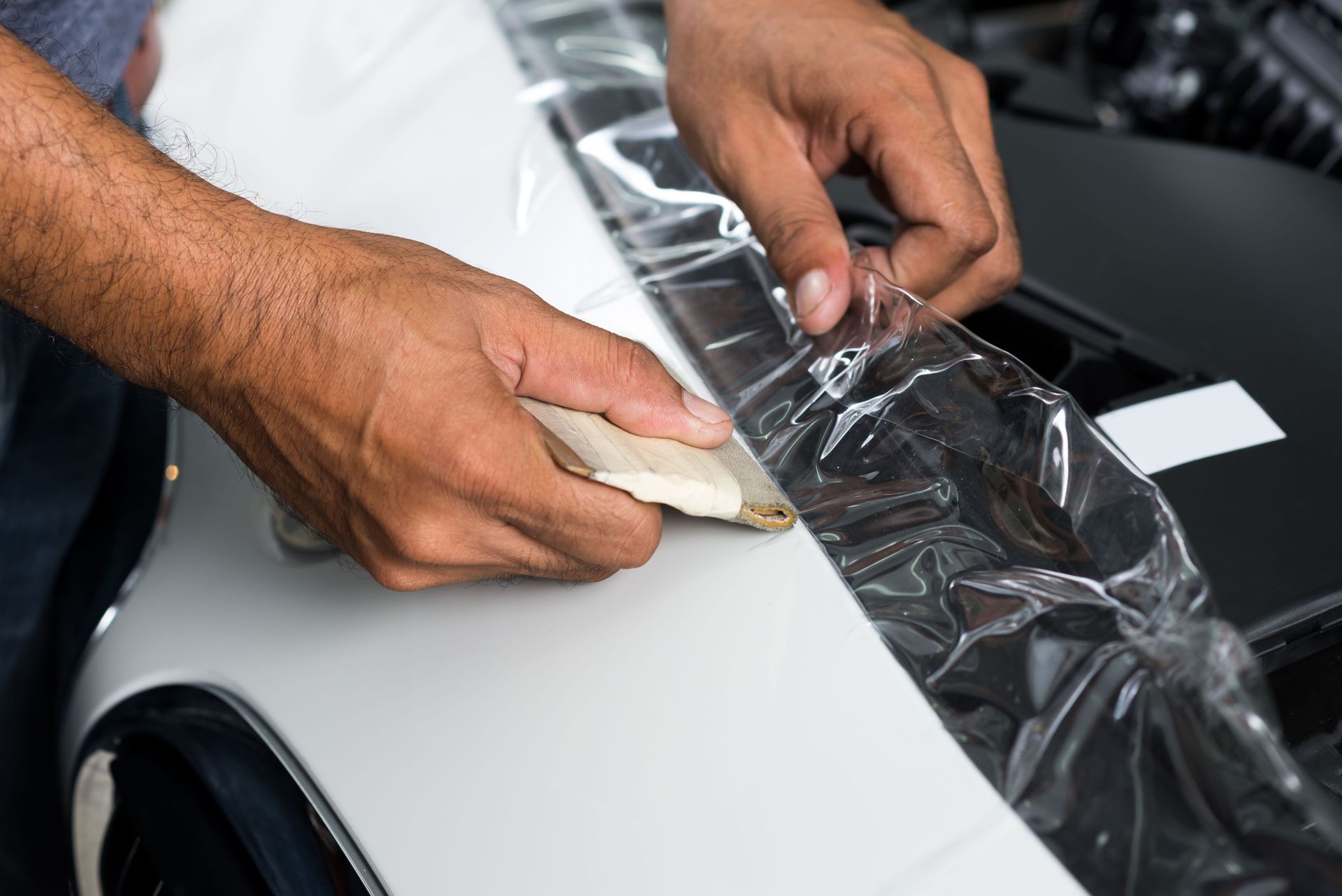
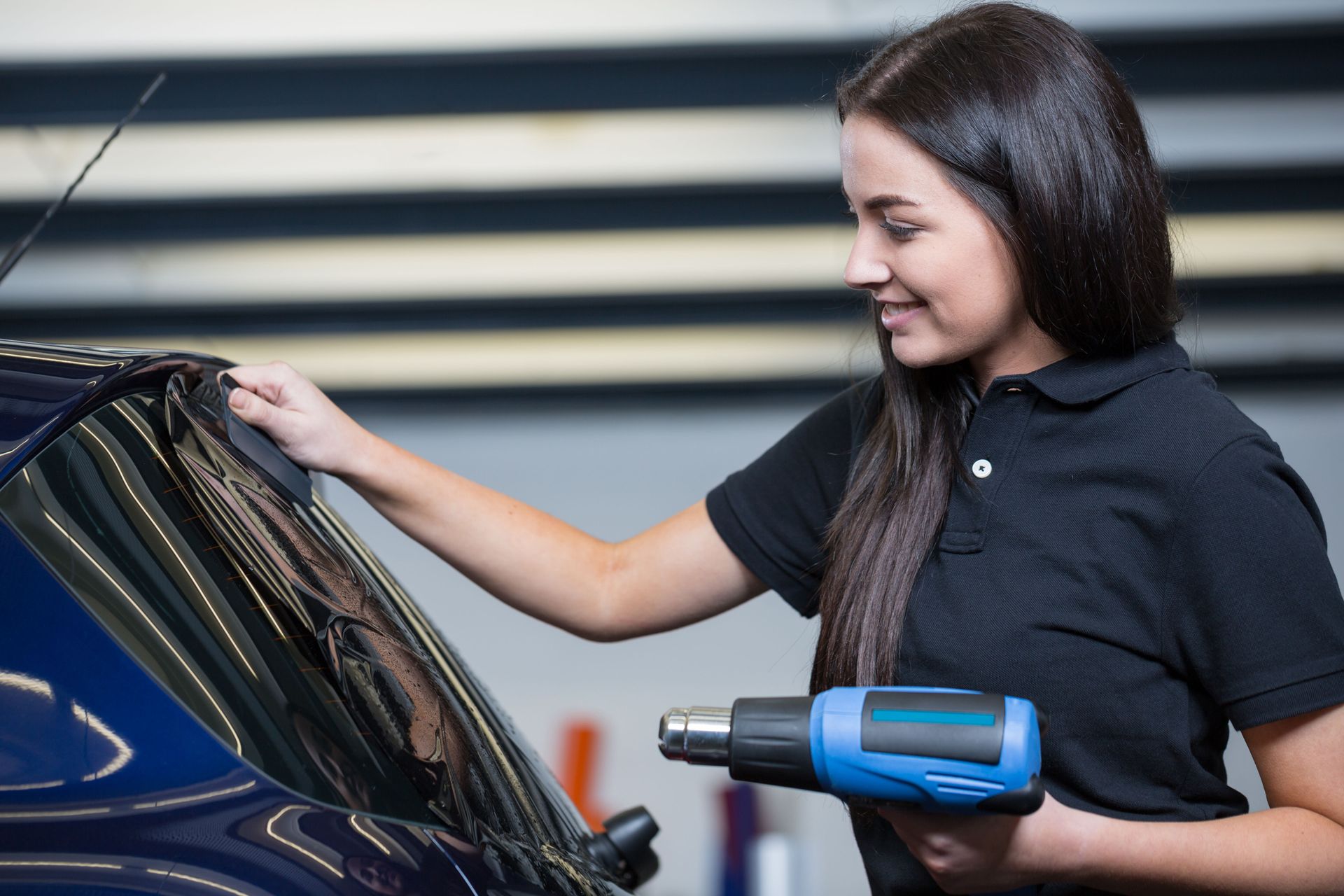
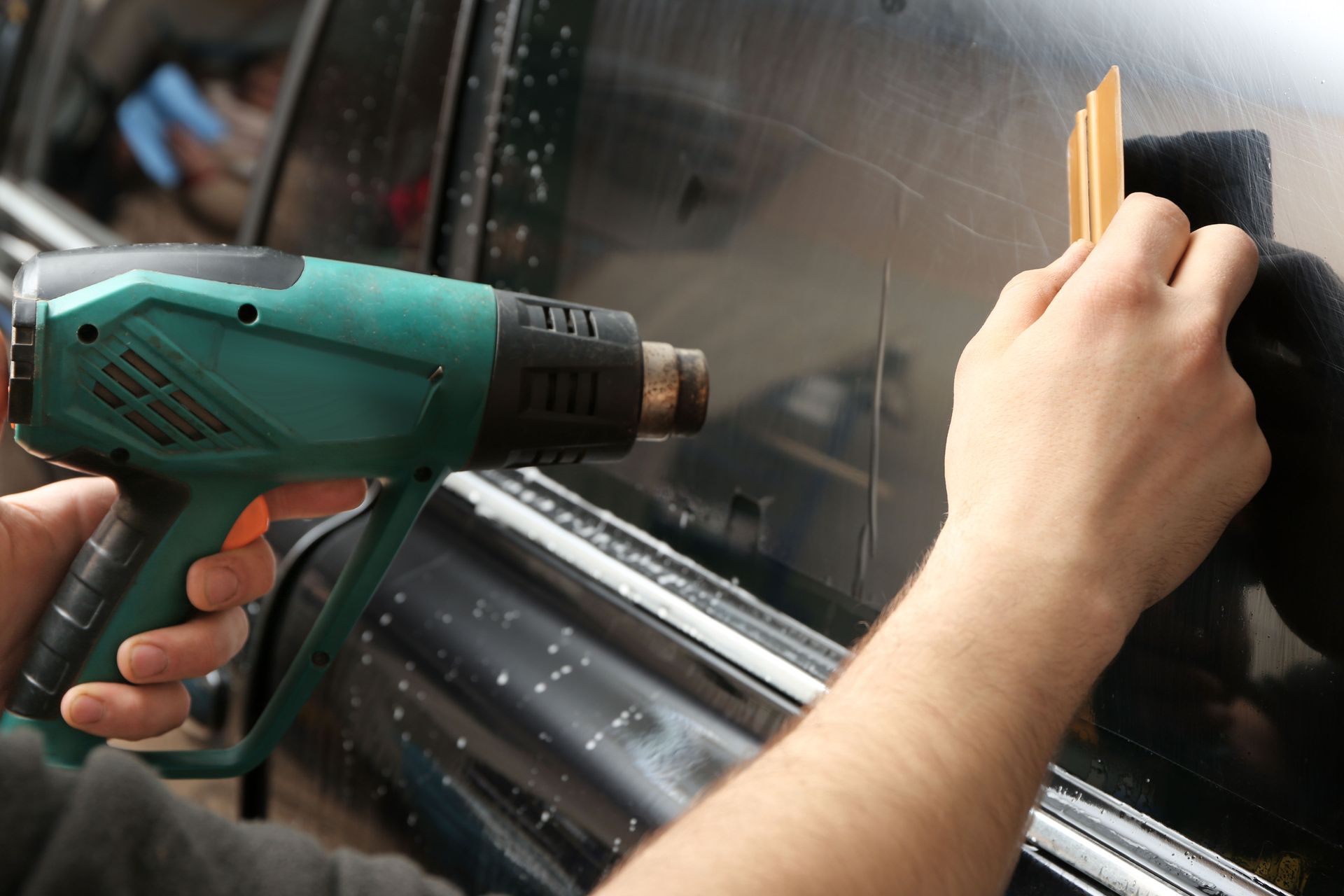
Transparent clear bras and physical film barriers represent another highly effective option for preventing panel damage from flying stones and highway debris. According to Grand View Research, premium thermoplastic polyurethane films professionally installed over top clear coats captured an 82.9% share of the material segment. These self-healing elastomeric films absorb physical impacts and automatically smooth out minor swirl marks when exposed to gentle heat. Combining transparent protective film on high-impact front body sections with ceramic coatings across remaining panels creates an uncompromising defense, delivering incredible paint protection against severe mechanical and atmospheric damage.
Shield Vehicles from Environmental Exposure
Defensive driving habits and strategic parking choices offer immediate benefits when attempting to minimize exterior panel damage. Parking far away from congested store entrances reduces physical exposure to stray shopping carts, opening vehicle doors, and heavy foot traffic. Reversing into parking spaces protects delicate front air dams and low bumper edges from high concrete curbs. Maintaining safe following distances behind heavy construction trucks prevents flying stones from chipping delicate front hoods. Installing temporary hood deflectors or specialized car bras during long highway trips provides targeted physical defense, stopping high-speed insect impacts and loose road grit from causing severe front-end damage.
Proper vehicle storage plays a vital role in preventing gradual clear coat breakdown, particularly when vehicles remain stationary for extended periods. Parking inside climate-controlled indoor garages shields automobiles from harsh direct sunlight, heavy downpours, severe hail, and falling tree branches. When outdoor vehicle parking is unavoidable, utilizing a breathable, multi-layer custom car cover offers vital paint protection against persistent atmospheric contamination. Ensuring the vehicle is washed thoroughly before installing fitted covers prevents trapped dirt from abrading clear coat surfaces, keeping exterior body panels in prime condition through every seasonal shift.
Combining regular physical maintenance with advanced defensive coatings provides a complete shield against nature, road debris, and daily operational wear. Prioritizing these essential care practices saves car owners substantial money by avoiding expensive clear coat restorations and panel repainting down the road. Establishing a tailored care routine guarantees that your vehicle retains its pristine showroom gloss regardless of climate challenges or heavy driving demands. Implementing top-tier paint protection empowers every car owner to enjoy a stunning, resilient finish for years, so reach out to us at Highline Customs today so we can assist with all your automotive care needs.