October 9, 2026
Automotive window tint can be a practical addition to a vehicle, offering more than a darker appearance. Depending on the film selected, it can influence cabin comfort, glare, privacy, interior protection, and the overall driving experience. For many vehicle owners, the appeal comes from getting several everyday benefits from one relatively simple upgrade.
Improving Vehicle Appearance
One of the first things people notice about window tint is the way it changes a vehicle's appearance. Darker windows can give a car, truck, or SUV a cleaner and more cohesive look without requiring major exterior modifications. For owners who want a simple visual upgrade, auto tinting can be an easy way to personalize a vehicle while maintaining its original character.
Window film comes in different shades and finishes, giving drivers options based on their preferences and vehicle design. Some people prefer a lighter tint for a subtle appearance, while others choose a darker look for more contrast. Considering how the tint complements the vehicle's exterior color, interior, and existing glass can help create a more balanced finished appearance.
Increasing Interior Comfort
Heat can quickly make a parked or moving vehicle uncomfortable, particularly when sunlight enters through multiple windows. Certain window films are designed to reduce the amount of solar energy entering the cabin, which can help the interior feel more comfortable during sunny conditions. This is one reason auto tinting may appeal to drivers who spend considerable time commuting, traveling, or sitting in their vehicles.
Reducing glare can also make a difference during everyday driving. Bright sunlight reflecting from roads, buildings, or other vehicles can make it harder to see comfortably and may cause drivers to squint. By filtering some of that intense light, properly selected window film can create a more comfortable environment without requiring constant adjustments to the visor or seating position.
Comfort can be especially noticeable when passengers spend extended periods in the vehicle. Children, commuters, and people who regularly take long road trips may appreciate a cabin that feels less exposed to direct sunlight. While tint does not replace the vehicle's climate-control system, it can complement other features that help make driving more comfortable.
Protecting Against UV Exposure
Sunlight affects more than the temperature inside a vehicle. Ultraviolet radiation can contribute to fading and deterioration of interior surfaces, while repeated exposure can also affect people spending time inside the cabin. Choosing an appropriate window film can add another layer of protection between occupants and sunlight.
According to the Prevent Cancer Foundation, UVA radiation accounts for roughly 95% of the UV radiation that reaches the Earth's surface, and some protective window films can block as much as 99% of UVA rays. This means a film designed for UV protection can substantially reduce the amount of UVA exposure entering through treated glass. Window tint is still not a substitute for other sun-protection measures during extended exposure.
UV protection can also help preserve materials throughout the cabin. Upholstery, dashboards, door panels, and other surfaces can gradually fade, discolor, or deteriorate after repeated exposure to direct sunlight. By filtering UV radiation, auto tinting may help slow some of these effects and support the condition of the interior over time.
Enhancing Interior Privacy
Privacy is another practical reason vehicle owners consider window film. Tinted glass can make it more difficult for people outside the vehicle to see clearly into the cabin, depending on the film's darkness and lighting conditions. This can make the interior feel more private when the vehicle is parked, stopped in traffic, or traveling through busy areas.
The added privacy can also reduce the visibility of personal belongings inside the vehicle. Bags, electronics, luggage, and other items may be less noticeable from outside when darker film is installed. Although window tint should not be treated as a complete security measure, reducing visibility can be one consideration for owners who prefer to keep the contents of their vehicle less exposed.
Different levels of tint provide different degrees of privacy, so choosing a film involves balancing appearance, visibility, and local regulations. A very dark film may provide more privacy but can affect visibility in certain conditions. Considering available options before installation can help owners choose a level that fits their vehicle and everyday driving needs.
Improving Driving Conditions
A comfortable cabin can contribute to a more pleasant driving experience, especially when glare and excessive sunlight are frequent concerns. By reducing the intensity of incoming light, window film may help create more consistent visual conditions for the driver and passengers. Auto tinting can therefore be considered as part of a broader approach to making everyday driving more comfortable.
Window film can also help reduce the contrast between bright outdoor conditions and the vehicle's interior. This may be useful when driving while the sun is low on the horizon, although drivers still need to use appropriate caution and maintain clear visibility. Tint should never be selected or installed in a way that interferes with the driver's ability to see the road.
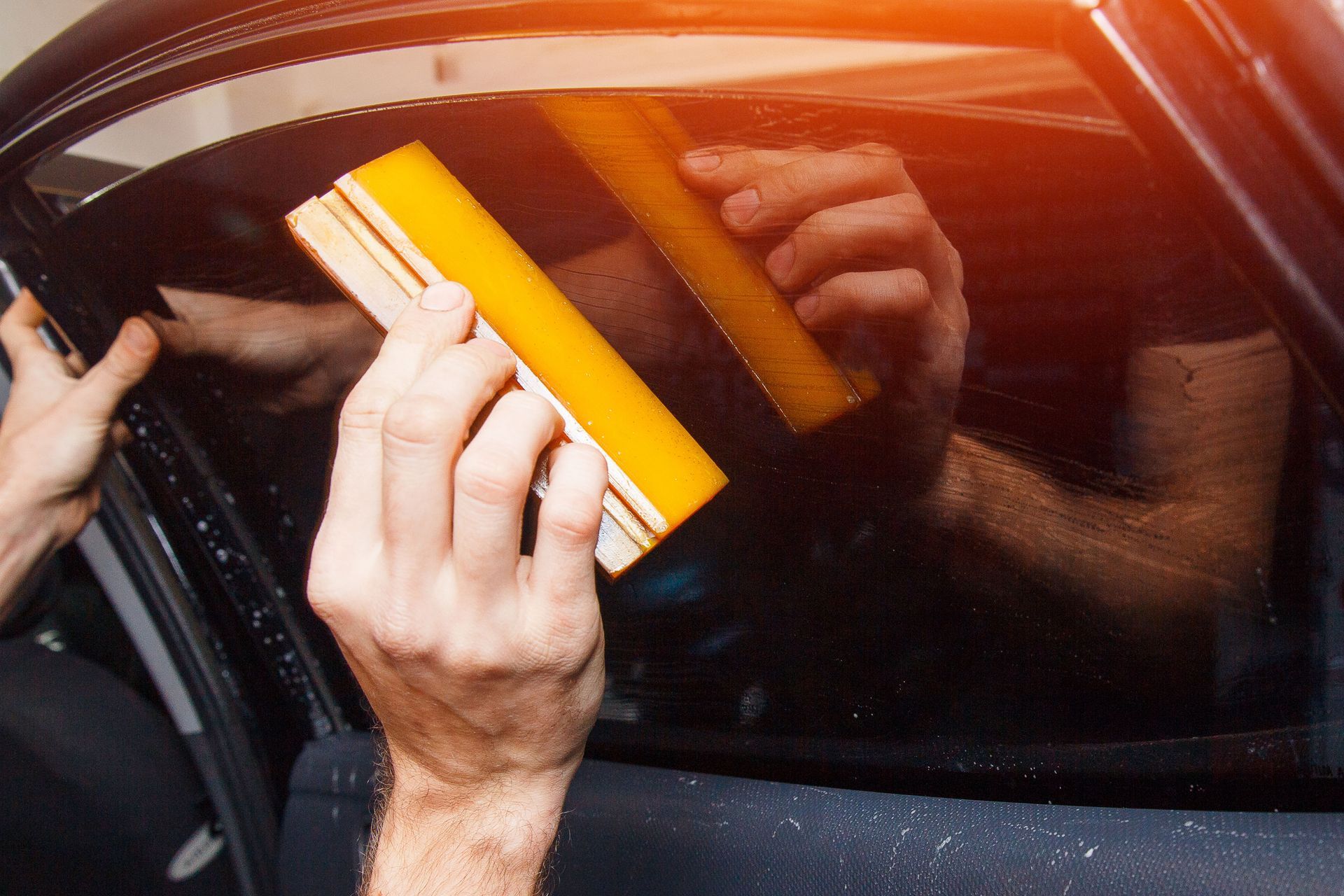
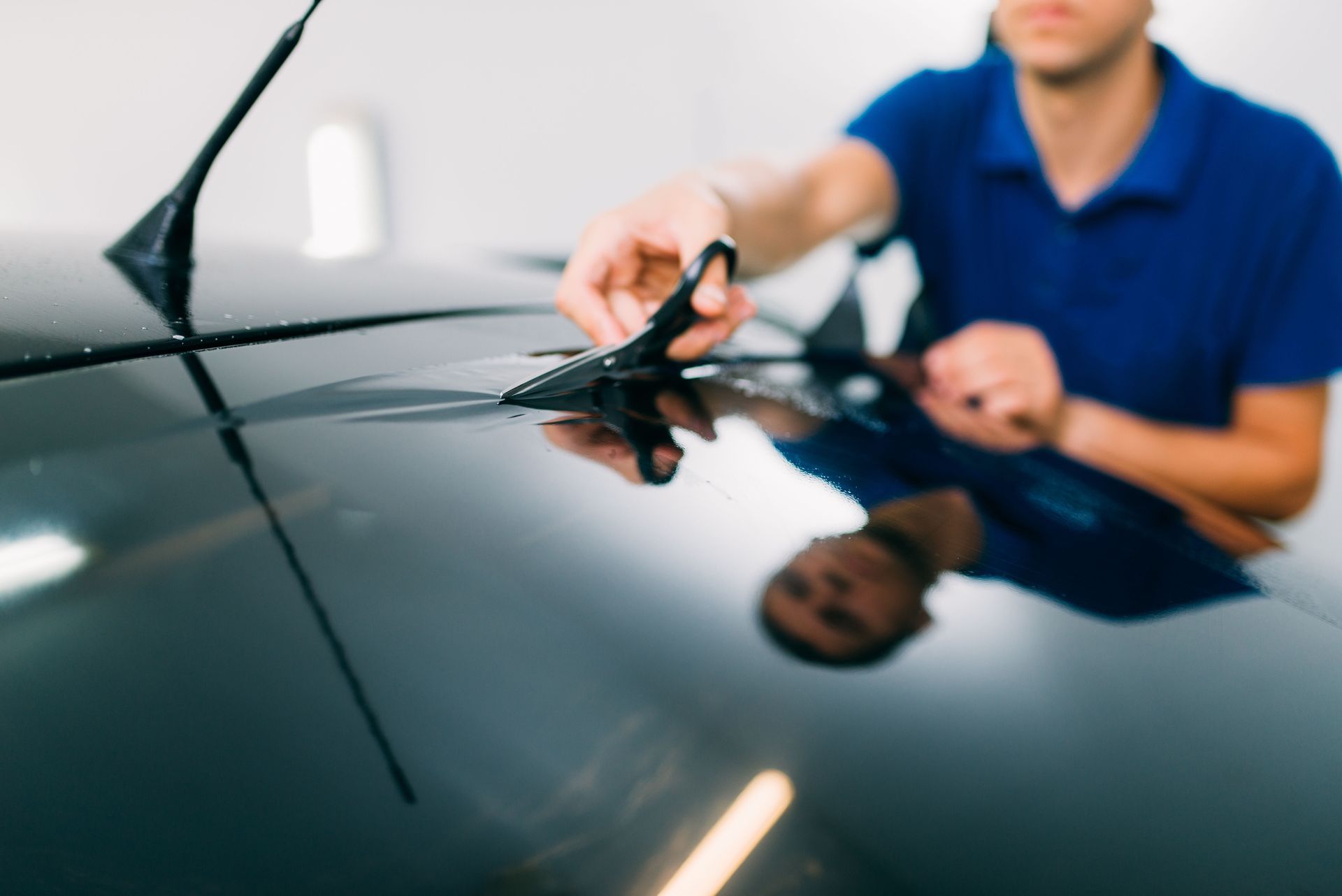
The quality and installation of the film matter as well. Poorly installed tint can create bubbles, distortion, peeling, or other visual problems that can become distracting. Professional installation can help ensure the film is applied evenly and that the finished result is appropriate for the vehicle's glass.
Preserving Vehicle Interiors
Vehicle interiors are exposed to sunlight whenever a car is parked outdoors. Over months and years, repeated exposure can contribute to fading, drying, cracking, and general deterioration of certain materials. Window film can provide an additional barrier that helps limit some of the sunlight reaching interior surfaces.
Protecting the interior can be particularly useful for owners who want to keep their vehicle looking well maintained. Seats, dashboards, trim, and other components can be expensive or inconvenient to repair or replace once significant damage occurs. By helping reduce exposure to UV radiation and solar heat, auto tinting can support efforts to maintain the interior's appearance over the long term.
This benefit is not limited to newer vehicles. Older vehicles can also benefit from measures that help preserve existing interiors and slow further deterioration. While tint cannot prevent every form of wear, it can be one part of a larger maintenance routine that includes cleaning and protecting interior materials.
Understanding Legal Requirements
Before choosing a window tint, vehicle owners should check the laws where the vehicle is registered and driven. Regulations may cover visible light transmission, reflectivity, and which windows can legally be tinted, and requirements can vary by state.
Understanding these rules can help owners avoid problems when selecting a film. Drivers should also consider whether they regularly travel across state lines, where requirements may differ. Professional installers can explain available options, but owners should verify the laws that apply to their vehicle.
The right window film depends on individual priorities, whether that's appearance, privacy, comfort, UV protection, or interior preservation. Considering these factors alongside legal requirements can help drivers make a more informed choice.
Window tint can influence several aspects of vehicle ownership, from the way a vehicle looks to how comfortable and private the cabin feels. It can also help limit UV exposure, reduce glare, and support the long-term condition of interior materials. For drivers considering auto tinting, evaluating the film type, installation quality, desired benefits, and applicable tint laws can help create a result that fits their vehicle and everyday needs. Choosing professional
auto tinting can also help ensure the film is applied properly for a clean, consistent finish. Contact Highline Customs to explore window tint options for your vehicle.