September 18, 2026
Buying a new car is a significant investment, so it is understandable that many owners want to keep it looking as close to new as possible. From road debris and bug splatter to UV exposure and harsh weather, a vehicle's exterior faces damage every time it leaves the driveway. Even careful drivers cannot completely avoid the small scratches, chips, and other imperfections that accumulate over time.
This is why paint protection has become increasingly popular among new car owners. Several products and services can help preserve a vehicle's finish, but they vary considerably in cost, durability, and the level of protection they provide. Before investing in any option, it is important to understand how these products work and whether their benefits justify the expense.
Understand How Paint Protection Works
Paint protection is a broad term that describes products designed to preserve a vehicle's exterior finish. Depending on the product, it may help protect against contaminants, ultraviolet exposure, minor scratches, rock chips, water spots, and other hazards.
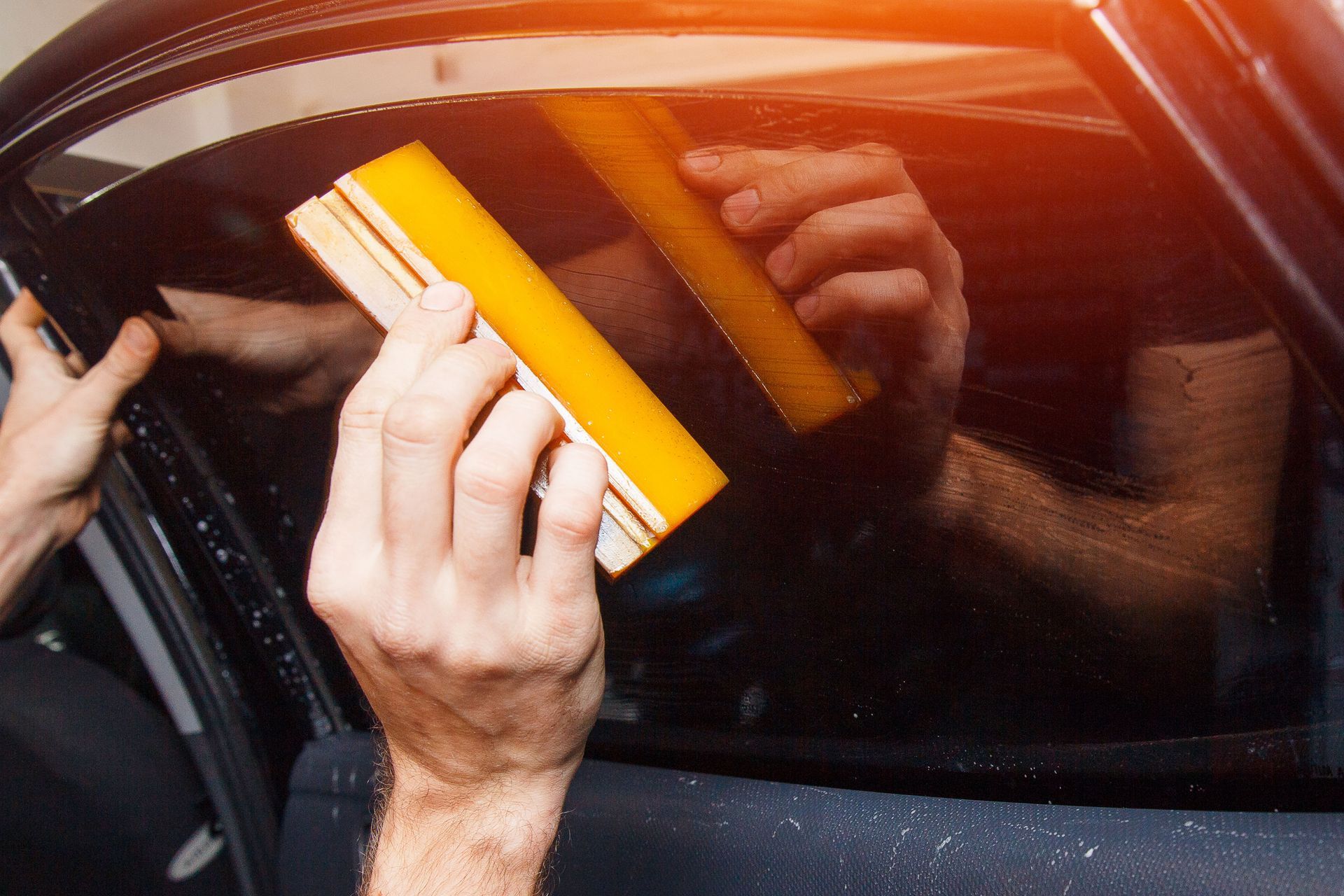
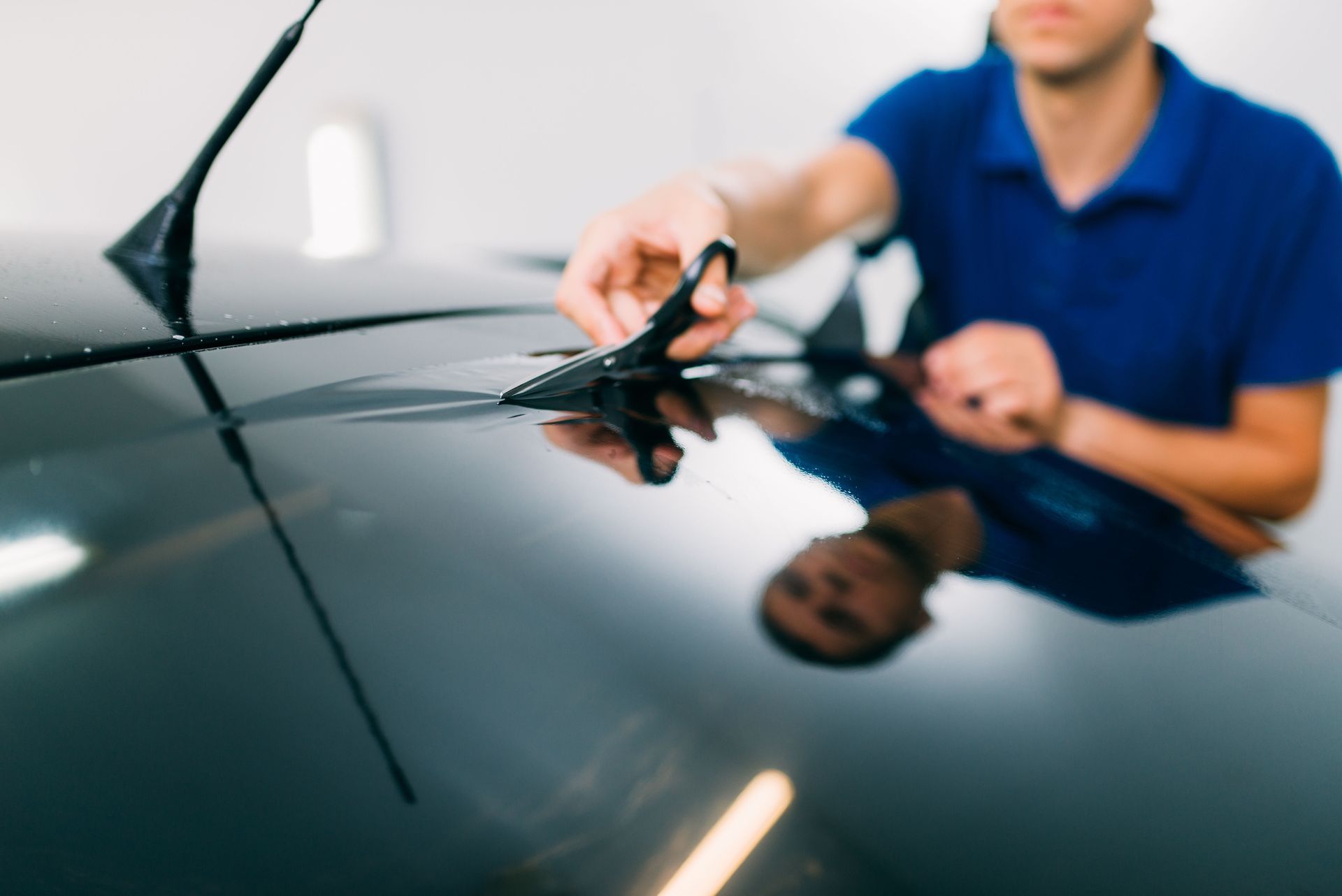
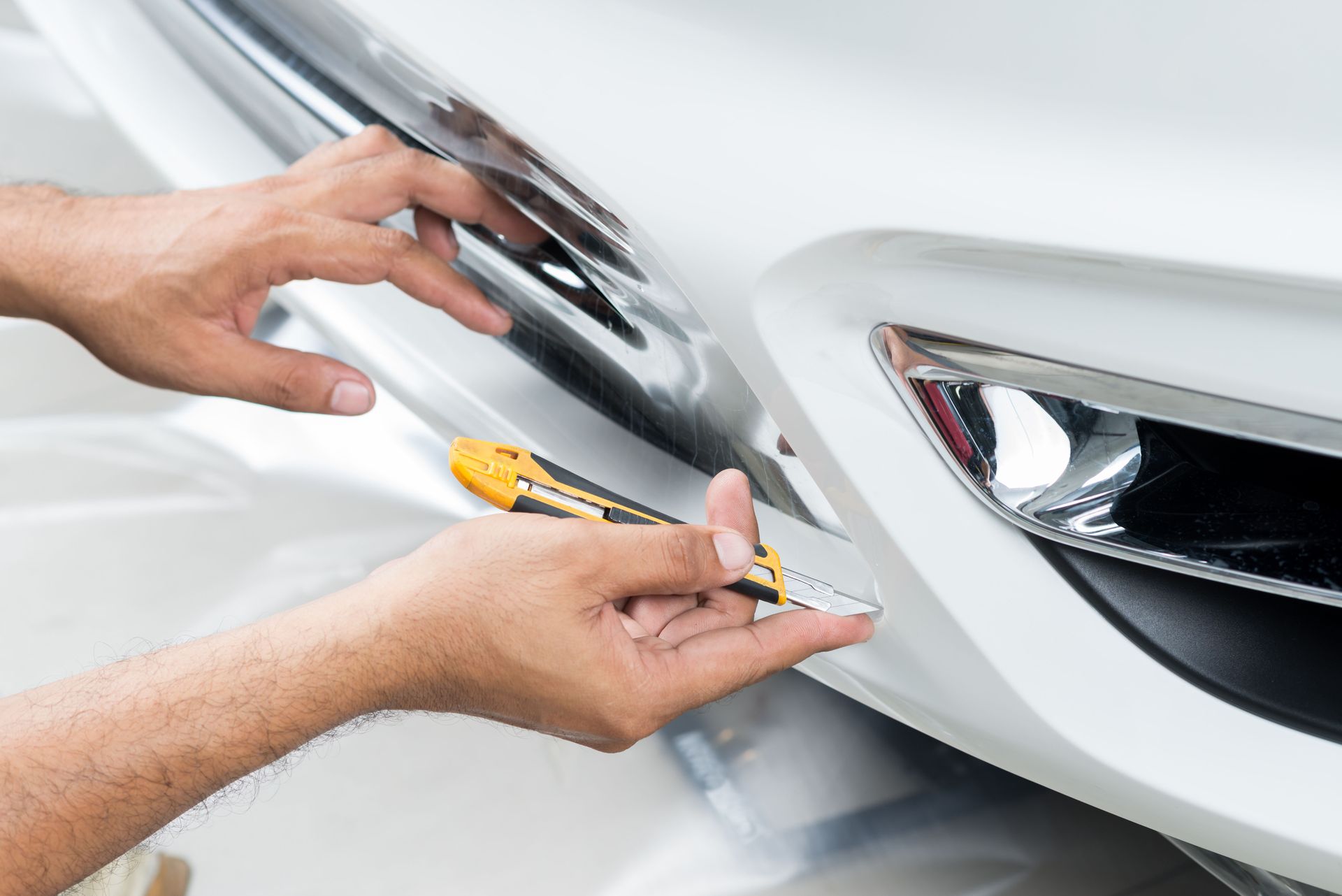
One common option is paint protection film, often called PPF or a clear bra. This transparent urethane film is applied directly to painted surfaces and provides a physical barrier between the paint and the outside environment. It is frequently installed on vulnerable areas, such as the front bumper, hood, fenders, mirrors, and rocker panels. Some modern films also have self-healing properties that can reduce the appearance of light surface scratches when exposed to heat.
Ceramic coatings work differently. Rather than creating a thick physical barrier, they chemically bond with the vehicle's exterior and create a durable protective layer. Ceramic coatings can make surfaces more hydrophobic, meaning water and some contaminants are less likely to adhere to the finish. They can also improve gloss and make washing easier.
Traditional waxes and synthetic paint sealants provide another level of protection. These products are generally less expensive and easier to apply than professional films or coatings, although they typically require more frequent reapplication.
Each form of paint protection serves a different purpose, so the best choice depends on how the vehicle is driven, where it is stored, and what the owner expects from the product.
Compare Different Protection Options
Choosing the right product begins with understanding the strengths and limitations of each option. Paint protection film generally offers the strongest defense against physical damage because it creates a substantial barrier over the painted surface. It can help reduce damage caused by small rocks and road debris, making it particularly useful for frequently driven vehicles and cars that spend significant time on highways.
The primary disadvantage of PPF is cost. Professional installation can be expensive, particularly when the entire vehicle is covered. However, owners may choose partial coverage for high-impact areas to reduce the initial investment.
Ceramic coatings are often chosen for their appearance and ease of maintenance. A properly installed coating can enhance the depth and gloss of the paint while helping repel water and contaminants. However, ceramic coatings are not a substitute for PPF when preventing rock chips. They may provide some resistance to minor surface damage, but they do not offer the same physical impact protection as a film.
Paint sealants and waxes are generally the most affordable choices. They can improve shine and provide a temporary layer of defense against environmental contaminants. Their lower cost makes them appealing for owners who enjoy detailing their vehicles, but they require regular maintenance and reapplication.
According to Grand View Research, demand for paint protection film in the U.S. automotive market is expected to be supported from 2024 through 2030 by growing consumer awareness and the strong presence of manufacturers and professional installers. This growing interest gives new car owners more options than ever, but it also makes comparing products and services especially important.
Evaluate the Cost and Benefits
The cost of paint protection can range from relatively inexpensive detailing products to substantial investments in professional film installation. Because of this wide price range, determining whether it is worthwhile requires looking beyond the initial cost.
A simple wax or sealant may cost relatively little, but it will need to be reapplied regularly. Ceramic coatings can cost more upfront, particularly when professionally applied, but they may provide longer-lasting benefits and reduce the effort required to maintain a clean exterior.
Paint protection film generally represents one of the larger investments. Full coverage can be expensive, although partial coverage of high-impact areas may offer a practical compromise. For a vehicle regularly exposed to gravel roads, highway driving, construction zones, or harsh weather, preventing even a few significant chips may make the investment more appealing.
The benefits are not always strictly financial. Many new car owners value the appearance of a clean, glossy finish and want to avoid seeing imperfections develop shortly after purchasing a vehicle. Protection may also make routine cleaning easier and reduce the amount of time spent correcting cosmetic issues.
Consider the Impact on Resale Value
Maintaining a vehicle's exterior can contribute to its overall appeal when it is time to sell or trade it in. A car with excessive paint chips, scratches, fading, or other visible damage may appear neglected, even if it has been mechanically maintained.
Paint protection can help preserve the original finish, which may make a used vehicle more attractive to potential buyers. Original paint in good condition can also be preferable to panels that have required repainting after cosmetic damage.
That does not necessarily mean an owner will recover the full cost of a film or ceramic coating through a higher resale price. Buyers and dealerships typically consider many factors, including mileage, age, mechanical condition, trim level, vehicle history, and market demand. A protective product alone is unlikely to dramatically increase a vehicle's value.
Instead, the potential resale benefit is often indirect. Protection may help the car remain in better cosmetic condition, reducing the need for paint correction or repairs before selling it. A cleaner, better-preserved exterior can make a stronger first impression and support the overall condition of the vehicle.
Separate Myths From Realistic Expectations
Several misconceptions can lead car owners to spend more money than necessary or develop unrealistic expectations. One common myth is that all protective products provide the same level of defense. In reality, a wax, ceramic coating, and
paint protection film perform very different functions.
Another misconception is that ceramic coatings make a vehicle completely scratch-proof. While a quality coating can provide durability and help protect against certain contaminants, it cannot prevent every scratch or impact. Rock chips and significant physical damage can still affect the vehicle.
Some people also believe that PPF makes paint completely invulnerable. Although high-quality film can provide substantial protection against common road hazards, it has limitations. Severe impacts can still damage both the film and the paint beneath it.
Decide Whether Protection Is Worth It
For many new car owners, paint protection can be a worthwhile investment, but the answer depends on individual circumstances. There is no single product that is necessary for every vehicle.
Paint protection film may make sense for owners concerned about rock chips and physical damage, particularly on vehicles driven frequently at highway speeds. Ceramic coatings may appeal to those who prioritize gloss, easier cleaning, and long-lasting surface protection. Waxes and sealants can provide an affordable alternative for owners who are willing to perform regular maintenance.
Before choosing a product, consider how long you plan to keep the vehicle, where and how often you drive, and how important maintaining the exterior is to you. It is also important to have realistic expectations about what each product can and cannot do.
Ultimately, the value of paint protection is not limited to resale value. For many owners, the greatest benefit is enjoying a vehicle that continues to look clean and well-maintained over the years. By choosing an option that matches your driving habits and budget, you can protect your investment without paying for benefits you may not need. If you're looking for quality paint protection, reach out to the team at Highline Customs today!