October 30, 2026
A car's finish faces more than ordinary dirt. Sunlight, road debris, tree sap, and careless washing can gradually change its appearance, even when the vehicle runs well. The painted exterior also helps shield vulnerable body panels from moisture and corrosion. Choosing the right paint protection can preserve that finish and make routine cleaning easier, although no product can prevent every scratch or extend the life of mechanical parts. The best approach starts with understanding what damages automotive paint and how different treatments respond.
Understanding What Your Paint Does
Modern vehicle finishes typically include a primer, color coat, and clear coat, although construction varies by manufacturer. Together, these layers provide color and help separate underlying surfaces from weather and contaminants. The clear coat is especially important because it takes much of the exposure from sunlight, washing, and environmental residue.
A dull surface does not necessarily mean that the metal beneath it is deteriorating. However, deep chips that reach bare metal can create opportunities for corrosion if left untreated. Protective products help preserve the outer finish; they cannot repair rust or compensate for damaged bodywork. Address existing chips or paint defects before applying a long-lasting treatment, and ask a professional which preparation steps are appropriate for your vehicle.
Recognizing Damage Before It Spreads
Tiny stone impacts, fine washing scratches, and cloudy patches are common signs of exterior wear. Understanding these hazards helps drivers decide whether paint protection makes sense before damage accumulates. Bird droppings, insects, and tree sap can also stain or etch clear coat when left on the surface, particularly in warm conditions. Road salt and industrial fallout add to the burden in areas where vehicles encounter harsh winters or heavy traffic.
Inspect the hood, front bumper, mirrors, and door edges after regular washes. These areas often encounter debris or repeated contact during daily use. If you find a chip, clean the area carefully and arrange a suitable repair rather than allowing moisture to reach exposed metal. Early attention is generally simpler than dealing with widespread paint damage later. A practical care plan combines prompt cleanup, sensible parking habits, and a product selected for the risks you actually face.
Comparing Wax, Sealants, and Ceramic Coatings
Wax is a familiar option for adding gloss and a temporary barrier against grime. It is relatively straightforward to apply, but its useful life depends on the product, washing frequency, and exposure. Synthetic paint sealants can provide longer-lasting water repellency than many traditional waxes, though they also require periodic renewal.
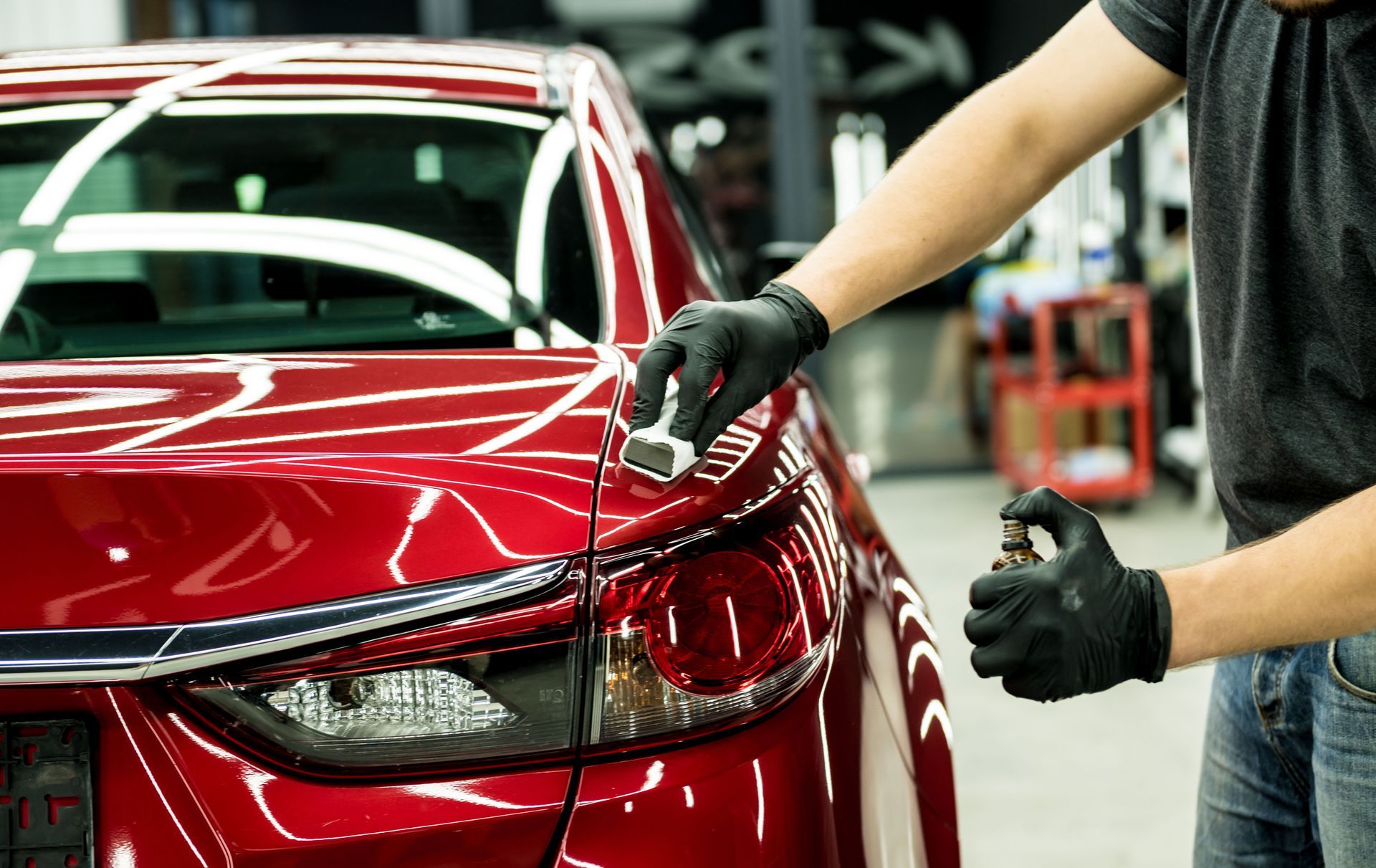
Ceramic coatings create a bonded surface layer that can make water and some dirt easier to remove. They may offer improved resistance to certain chemical contaminants, but they are not scratchproof and will not stop a flying stone from chipping the paint. Preparation and proper curing affect how well they perform. Ask what surface preparation, aftercare, and warranty terms are included before committing to an installation.
Think of these as different maintenance choices rather than a ladder where the most expensive product is automatically best. The right paint protection method depends on how the vehicle is driven, stored, and cleaned, along with the owner's willingness to maintain the finish.
Using Clear Film Where It Counts
PPF is a transparent urethane film applied to painted panels. Unlike wax or a ceramic coating, it provides a physical barrier that can absorb minor abrasion and help reduce damage from small road debris. Many drivers prioritize the front bumper, leading edge of the hood, and side mirrors, where chips are especially common.
According to Forbes, PPF typically lasts 7–10 years, outliving the average span of vehicle ownership for most people. Actual service life depends on film quality, installation, climate, and upkeep. Some films can recover from fine surface marks with warmth, but deeper cuts, punctures, and damaged edges may still need professional attention.
Film also has limitations. It cannot protect unwrapped panels or prevent every impact, and poorly maintained edges can collect dirt. Ask what coverage is included, how seams will appear, and what the manufacturer's warranty actually covers.
Responding to Weather and Road Conditions
Where you drive matters as much as how often. Strong sunlight can contribute to clear-coat deterioration, while gravel roads create more opportunities for chips. In colder regions, salt and road grime can linger around lower body panels and wheel openings. Urban parking brings its own risks, including frequent door contact and airborne contaminants.
Choose coverage based on those conditions rather than buying a package solely because it promises maximum protection. Effective paint protection should address realistic hazards rather than promising a flawless finish. For highway commuters, film on high-impact panels may be useful; for a vehicle that spends much of its time outdoors, a coating and careful wash routine may be worth discussing. Neither option replaces cleaning or timely chip repair.
Protective treatments can reduce certain types of exposure, but regular inspection remains important. As seasons change, look for lifting film edges, damaged seals, stains, and areas where the underlying finish needs attention.
Keeping the Finish Clean Without Adding Damage
Even a well-protected vehicle needs washing. Rinse off loose grit before touching the surface, use a clean wash mitt with automotive shampoo, and work with gentle pressure. Separate dirty wheel-cleaning tools from those used on painted panels. Dry with a clean, soft microfiber towel or another method recommended for the installed product.
Do not scrape hardened sap or droppings from a dry panel. Soften residue with an appropriate cleaner and follow the care directions for your coating or film. Abrasive polishes, harsh chemicals, or automatic washes with aggressive brushes can damage a finish or protective layer.
Ask the installer for specific maintenance instructions; some coatings and films have different cleaning requirements. Consistent care is one of the most practical ways to get value from paint protection, especially when it prevents ordinary contamination from becoming a permanent mark.
Choosing Based on Budget and Driving Habits
A protective treatment is not automatically a financial investment that pays for itself at resale. Condition can affect how a used vehicle is perceived, but resale value also depends on age, mileage, service history, and local demand. Compare the cost of application and future maintenance with the type of damage you hope to avoid.
For a daily driver exposed to gravel and highway debris, targeted film may address the most common concern. Wax or sealant may suit someone who enjoys regular detailing and prefers a lower upfront commitment. Ceramic coating may appeal to owners who want easier routine washing while accepting that some scratches remain possible.
Discuss the condition of the existing finish before selecting a package. Paint correction can improve certain defects, but it adds work and cannot reverse every flaw. An informed choice should account for both installation and upkeep over time.
Protecting the Finish for Years to Come
Exterior care supports a vehicle's appearance and helps preserve painted surfaces, but it is only one part of responsible ownership. Mechanical maintenance, safe driving, and prompt body repairs still determine much of a car's long-term condition. Select products for clear, realistic benefits rather than promises of a flawless finish.
Highline Customs can help you explore paint protection options and consider which areas of your vehicle deserve attention. Whether you choose regular waxing, a coating, or targeted film, pairing the treatment with gentle cleaning and timely repairs offers a practical way to keep your car looking cared for.