October 27, 2026
A vehicle's exterior creates an immediate impression when it is evaluated for trade-in or offered to a private buyer. Faded paint, chips, scratches, stains, and oxidation can make an otherwise dependable car appear neglected. Restoring extensive damage before a sale may also require considerable work. Vehicle paint protection helps limit common forms of deterioration, allowing the original finish to retain more of its color, gloss, and consistency throughout ownership. Although no product can prevent every mark or eliminate the need for care, an appropriate protective layer can support stronger presentation and preserve resale appeal.
Why Paint Condition Matters During Resale
Buyers frequently encounter the exterior before they review maintenance records or take a test drive. A clean, consistent finish can suggest that the owner paid attention to the vehicle, while widespread blemishes may raise questions about its overall treatment. Exterior condition does not establish mechanical reliability, but it influences the first impression and may affect how confidently a buyer approaches the rest of the evaluation.
Original paint can be especially desirable because mismatched panels, visible overspray, or uneven texture may prompt questions about prior damage or repairs. A well-preserved factory finish gives buyers fewer cosmetic concerns to investigate. It may also reduce the number of flaws they use when negotiating the price.
Vehicle paint protection supports this advantage by placing a sacrificial or bonded barrier between the finish and many everyday contaminants.
Common Threats to a Vehicle's Finish
Sunlight, airborne pollution, road salt, bug residue, bird droppings, tree sap, and mineral deposits can all affect automotive paint. Some contaminants may stain or etch the clear coat if they remain on the surface. Gravel and roadway debris can create chips, particularly along the hood, bumper, mirror caps, rocker panels, and other forward-facing or lower areas. Improper washing can introduce fine scratches that gradually reduce gloss.
Climate and driving habits influence the type and intensity of exposure. A vehicle parked outdoors faces different conditions from one kept in a garage, while frequent highway travel may increase encounters with road debris. Winter driving can bring salt and grime, and strong sunlight may accelerate fading. Effective vehicle paint protection should therefore be selected according to the car's use, storage conditions, current paint quality, and the owner's maintenance expectations.
Protection does not make the exterior maintenance-free. Dirt and contaminants still need to be removed, and damaged protective material may need correction or replacement. Products also differ in their resistance to impacts, chemicals, ultraviolet exposure, and washing-related wear. Understanding these differences prevents owners from expecting one solution to address every hazard.
Comparing the Main Protection Options
Wax is a familiar and accessible option that can enhance shine while adding a temporary surface barrier. Because it wears away relatively quickly, it requires regular reapplication to remain useful. Synthetic paint sealants generally bond more durably than traditional waxes and may provide a longer interval between applications. Both options can suit owners who value affordability and do not mind more frequent upkeep, but neither offers the impact resistance associated with paint protection film.
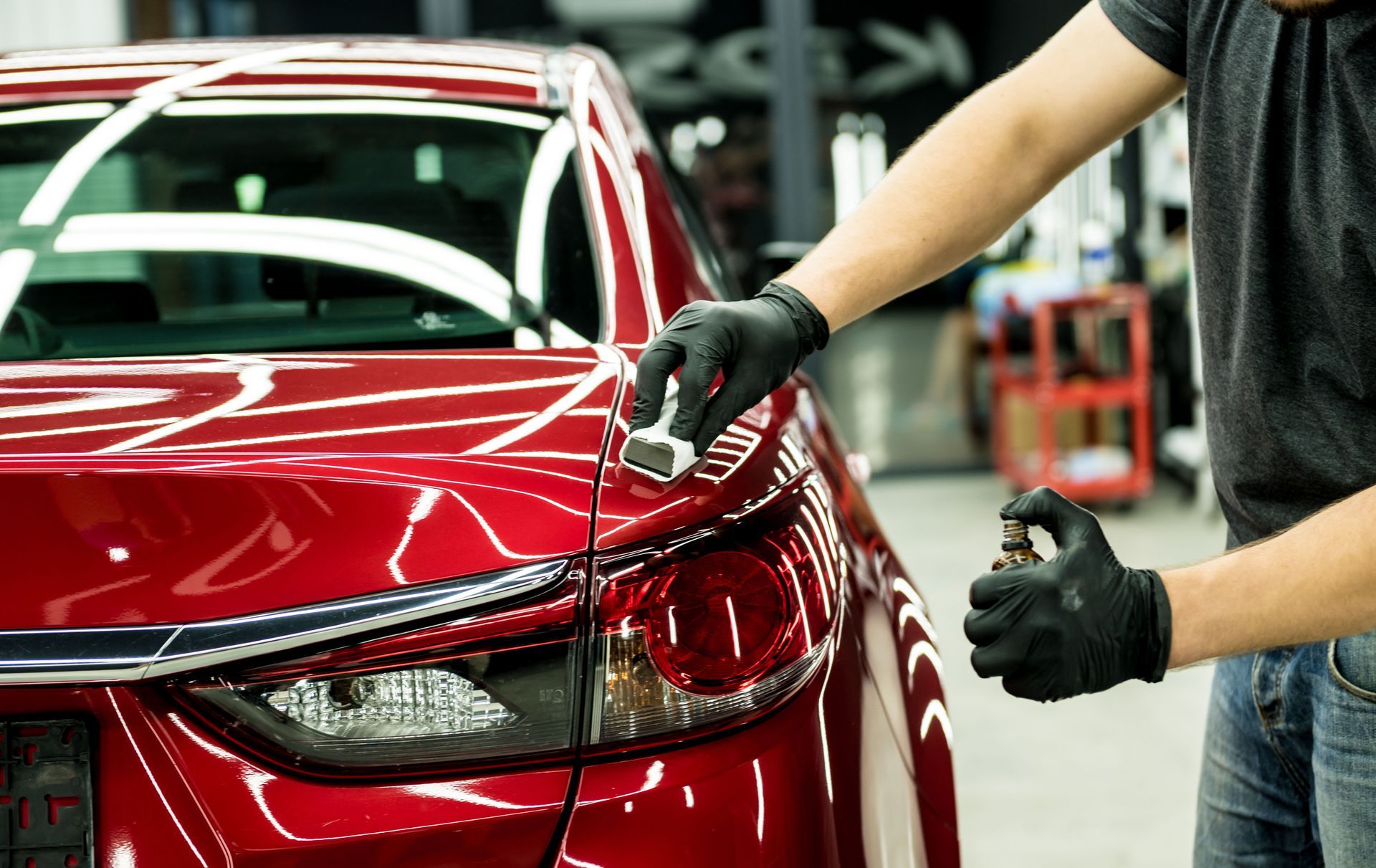
Ceramic coatings are liquid products that cure over the paint and create a slick, hydrophobic surface. They can make routine washing easier by reducing how readily water, dirt, and some contaminants cling to the vehicle. Their gloss and chemical resistance may help the finish retain a well-maintained appearance. However, a ceramic coating is not an impenetrable shield against rock chips or deeper scratches. Product quality, surface preparation, application, driving conditions, and aftercare all influence how long the coating performs.
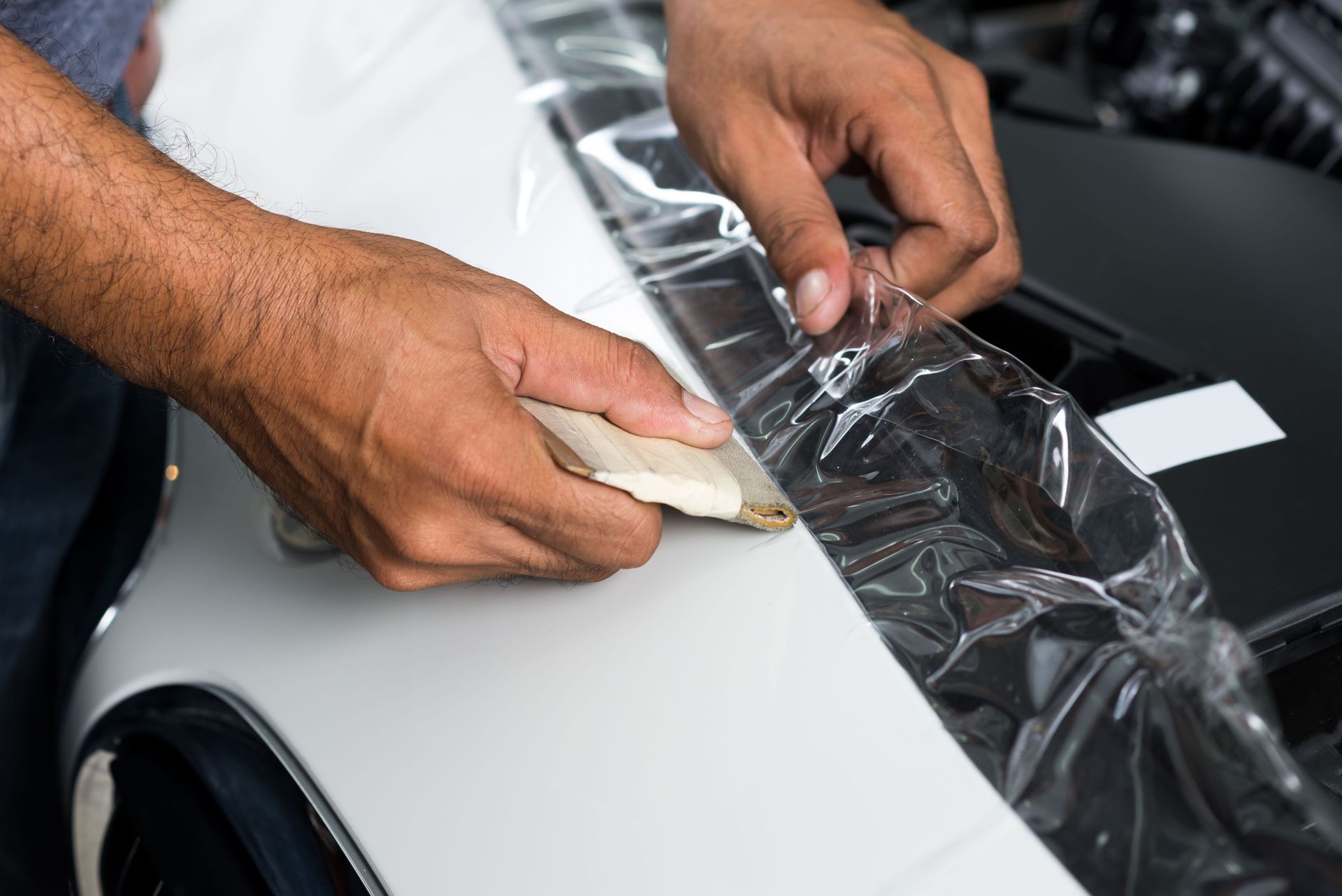
Paint protection film, commonly called PPF, is a transparent urethane material applied over painted panels. Its physical thickness allows it to absorb minor abrasions and impacts that a wax, sealant, or ceramic coating cannot handle in the same way. Many installations focus on high-contact areas, although broader coverage is also possible. Some films have self-healing top layers that can make fine surface marks less noticeable when exposed to heat, but this feature does not repair severe cuts or damage that reaches the paint.
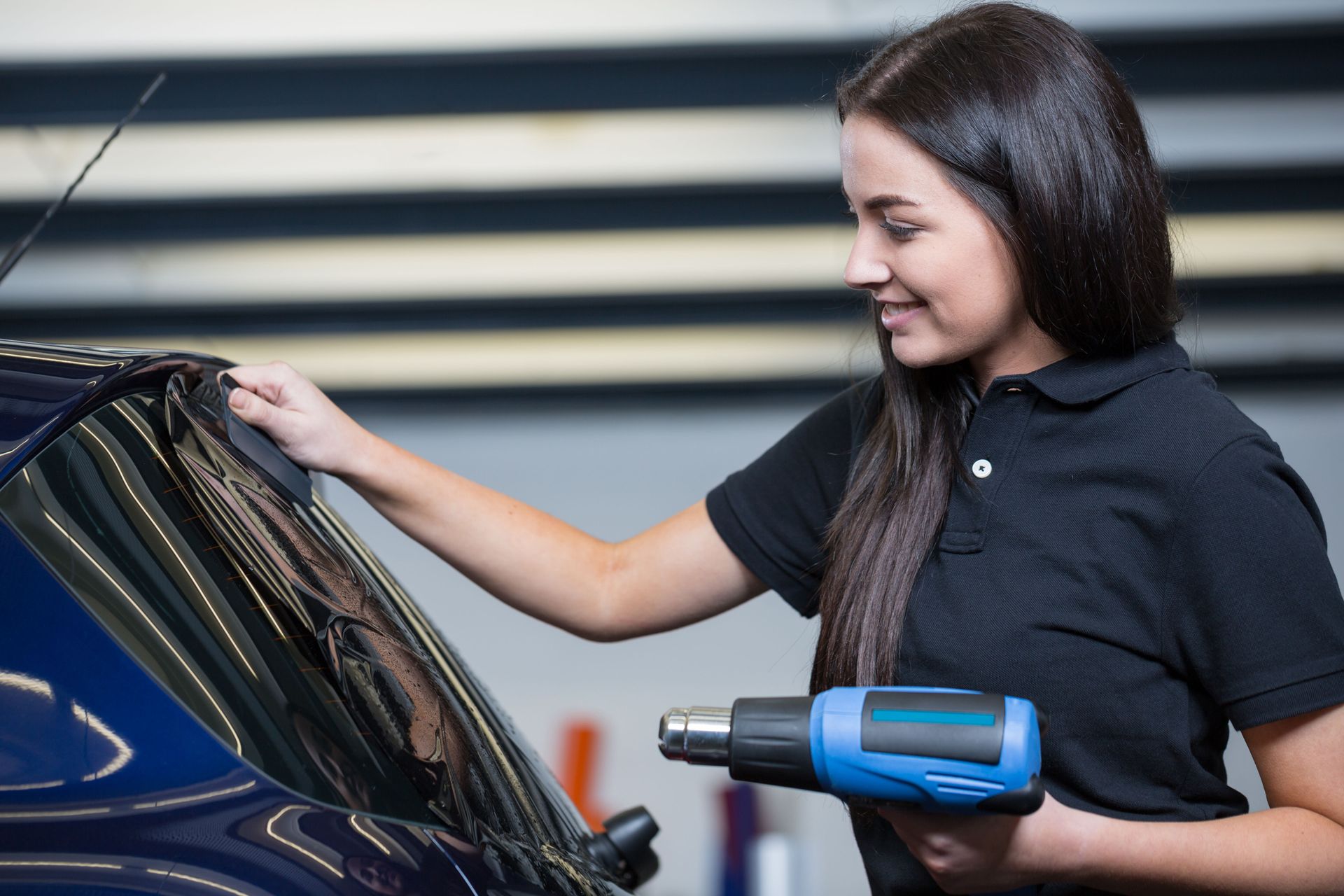
PPF and vinyl wraps should not be treated as identical products. Vinyl is often selected to change a vehicle's color or finish, and it can provide limited separation from minor surface exposure. PPF is designed primarily around paint preservation and impact resistance. According to Forbes, PPF generally withstands ordinary real-world conditions for about twice as long as a vinyl wrap. Actual longevity still depends on product quality, installation, exposure, and maintenance.
Connecting Protection to Resale Value
The financial return from vehicle paint protection should be considered realistically. Applying film or a coating does not guarantee that a vehicle will sell for a specific premium, because mileage, mechanical condition, service history, accident history, model demand, and local market conditions also shape value. Protection is most useful as one part of a broader maintenance strategy. Its benefit lies in reducing avoidable cosmetic deterioration and helping the exterior present well when the car is appraised or advertised.
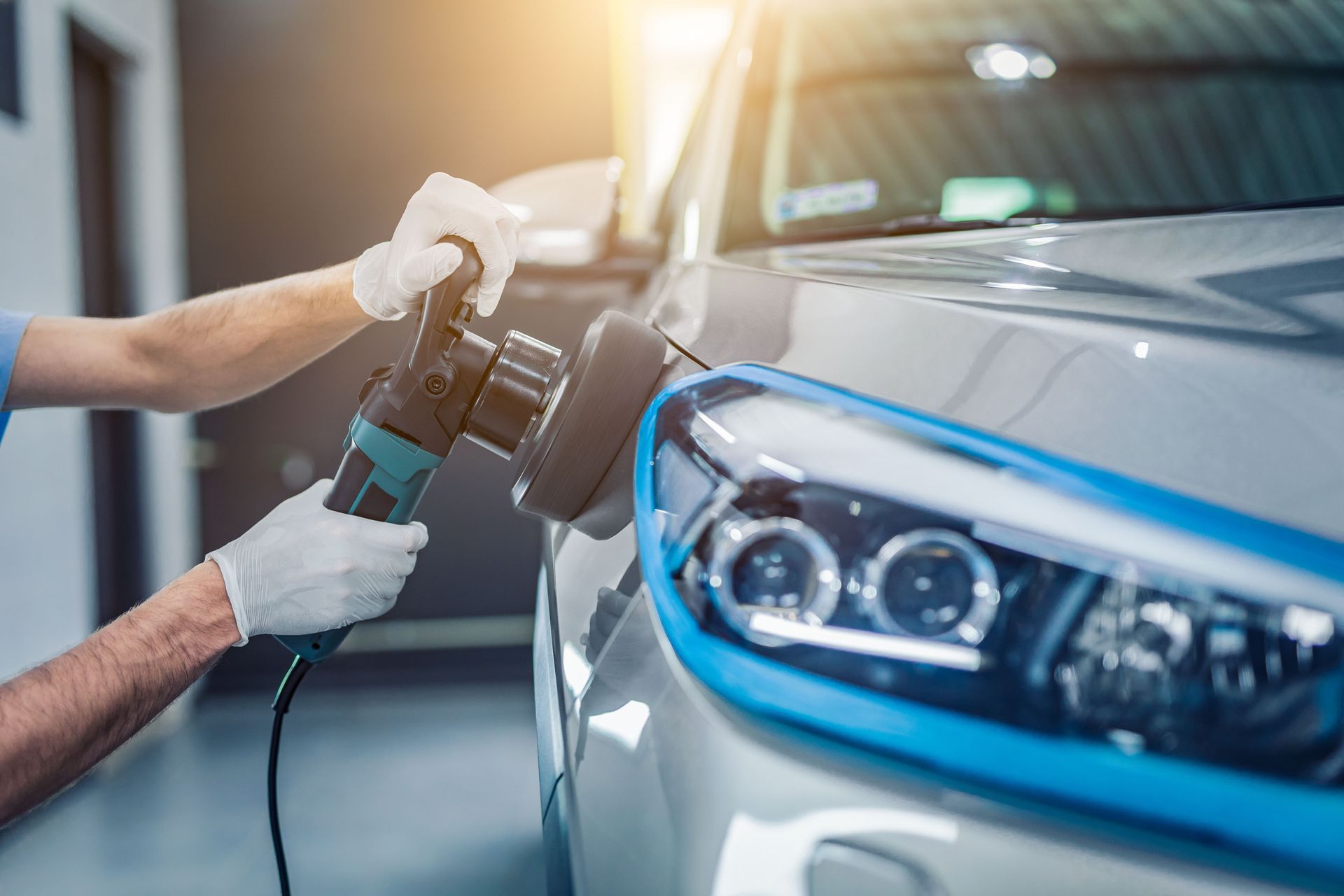
A protected finish can also reduce the amount of cosmetic correction needed before a sale. If the paint has fewer chips, stains, and wash marks, the owner may need less intensive polishing, touch-up work, or repainting. Avoiding repainting can be valuable when preservation of the factory finish matters to prospective buyers. Any savings depend on the damage prevented, the original protection cost, and the length of ownership.
Maintain the Protective Layer Correctly
Even durable vehicle paint protection performs best with appropriate care. Routine washing removes materials that could stain, etch, or accumulate along film edges and body seams. Cleaning products should be compatible with the wax, sealant, coating, or film in use. Aggressive chemicals, abrasive tools, and automatic brushes may shorten product life or create visible wear. Manufacturer and installer guidance should take priority because maintenance requirements vary.
Washing technique also matters. Clean wash media and careful drying can reduce fine scratches, while prompt removal of bird droppings, insects, sap, and road salt limits prolonged exposure. Owners should periodically inspect the surface for lifting film edges, coating wear, embedded contamination, or new paint damage. A compromised area should be evaluated before moisture and debris collect beneath loose material or an untreated chip worsens.
Reapplication timing varies significantly. Wax may need attention relatively often, while sealants, coatings, and films can remain serviceable for longer periods. There is no universal schedule that applies to every product or vehicle. Changes in gloss, water behavior, surface texture, or film condition can indicate that maintenance is needed, but the applicable product instructions provide a better starting point than a generic timetable.
Preserve Appearance as Part of Overall Vehicle Care
Resale value depends on the whole vehicle, yet exterior condition remains one of its most visible qualities. Selecting a suitable product, arranging careful application, and following appropriate maintenance practices can reduce the cosmetic effects of daily use. Wax, sealants, ceramic coatings, and PPF offer different levels of durability, impact resistance, appearance enhancement, and required upkeep.
Vehicle paint protection is most valuable when it matches the owner's driving conditions, budget, and plans for the car. It cannot stop depreciation or compensate for neglected mechanical maintenance, but it can help preserve the original finish and reduce preventable damage. When the vehicle is eventually sold or traded, a clean and consistent exterior can support buyer confidence, strengthen its presentation, and protect more of its resale appeal. To learn more, be sure to contact Highline Customs.