October 29, 2026
Keeping a vehicle looking new requires more than occasional washing. Daily driving exposes the exterior to sunlight, road debris, dirt, and other elements that gradually damage the finish. Paint protection helps preserve the vehicle's appearance by creating a barrier against common sources of wear. However, its lifespan depends on product quality, application, driving conditions, and maintenance. Understanding these factors helps vehicle owners choose the right solution and maintain their cars for years.
Understanding Paint Protection Options
Comparing Available Products
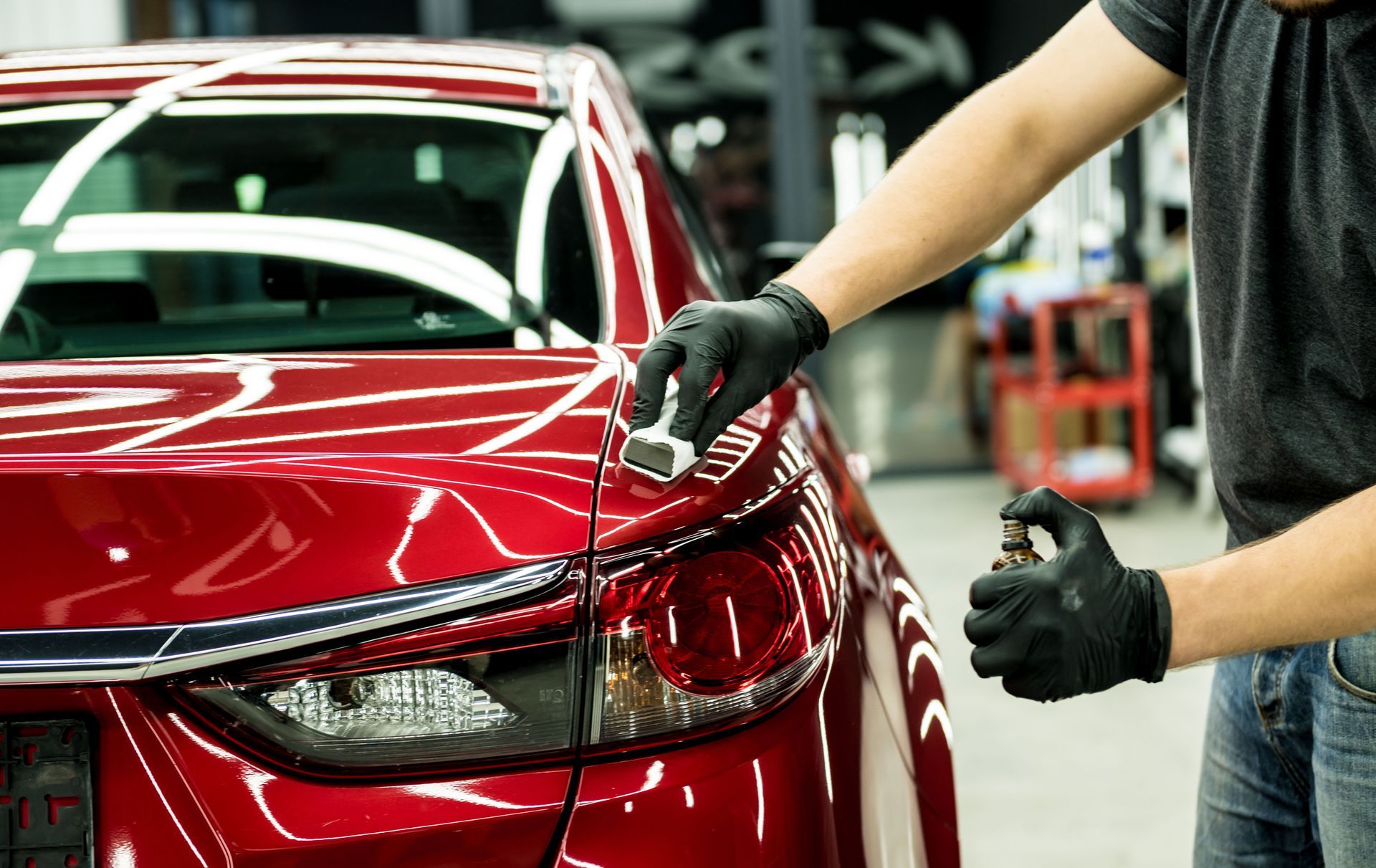
Several products help preserve automotive paint, but they offer different levels of durability. Traditional wax provides temporary protection and shine, while synthetic sealants generally last longer. Ceramic coatings bond with the vehicle's surface, helping repel water and resist contaminants. Paint Protection Film (PPF) uses a transparent, flexible material to defend against rock chips and minor scratches. The best paint protection option depends on driving habits, budget, and maintenance expectations.
Understanding Expected Lifespans
Car wax may need reapplication every few weeks or months, while sealants commonly last several months. Ceramic coatings can provide protection for years when properly applied and maintained. According to Forbes, PPF lasts up to 10 years. This makes film an attractive option for drivers seeking long-term defense against road damage. These estimates are not guarantees, since environmental exposure, product quality, and care influence actual performance. Choosing a durable solution can help drivers maintain consistent paint protection throughout their ownership.
Recognizing the Main Benefits
Protective treatments help preserve a vehicle's color, gloss, and overall condition. They can reduce the effects of ultraviolet radiation, road grime, and certain chemical contaminants. Some products also make washing easier by preventing dirt and water from clinging as readily. PPF provides additional physical protection against small stones and road debris. Although no treatment makes automotive paint indestructible, suitable protection can reduce wear and maintain resale appeal.
Evaluating Factors That Affect Durability
Choosing High-Quality Products
Product quality plays a major role in how long a protective treatment remains effective. Premium coatings and films are often engineered to withstand environmental exposure and everyday wear. However, price alone does not guarantee superior results. Vehicle owners should consider manufacturer guidance, warranty terms, intended use, and maintenance requirements. Selecting the right product can help prevent premature wear and unnecessary replacement costs.
Prioritizing Professional Application
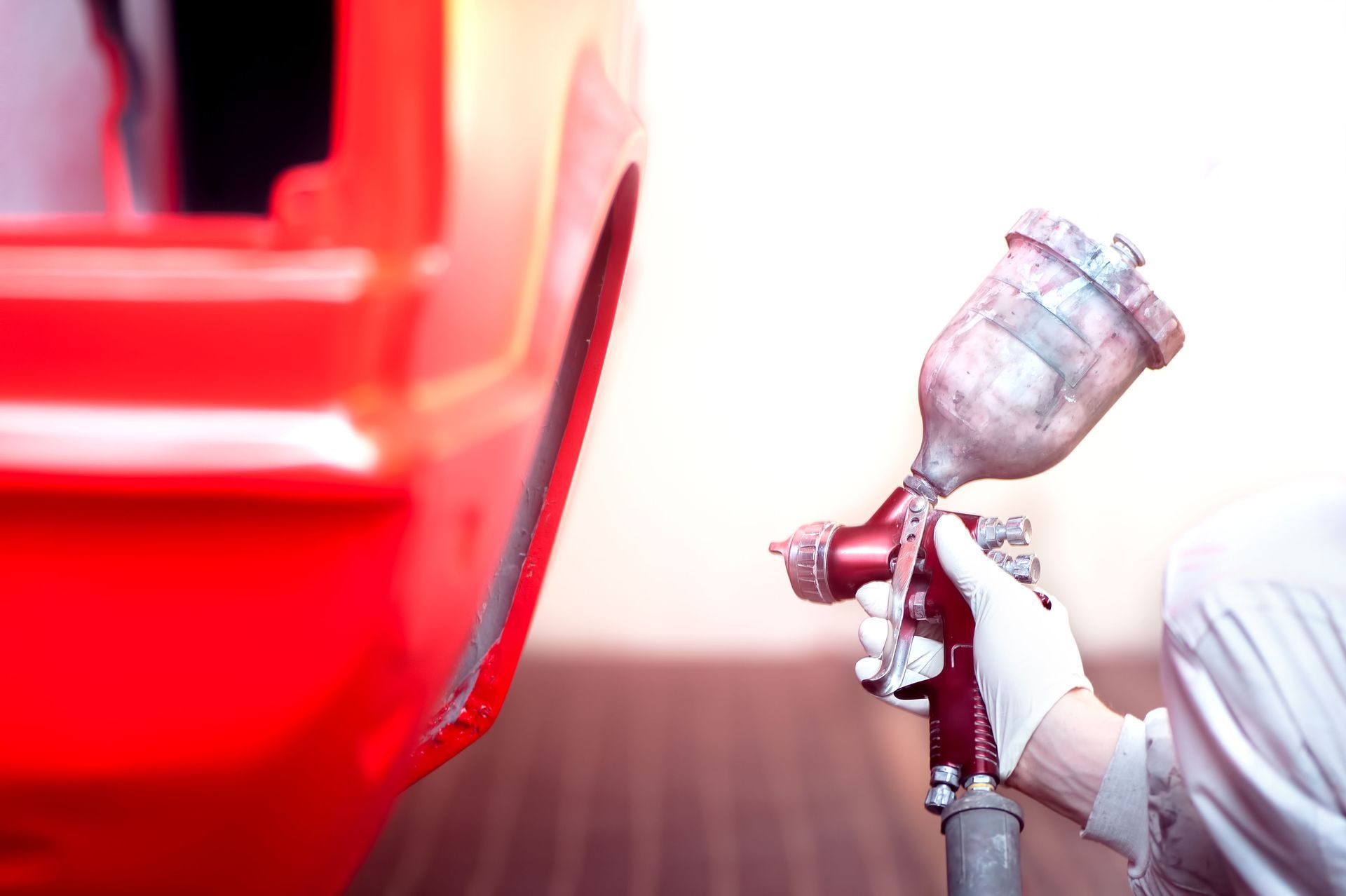
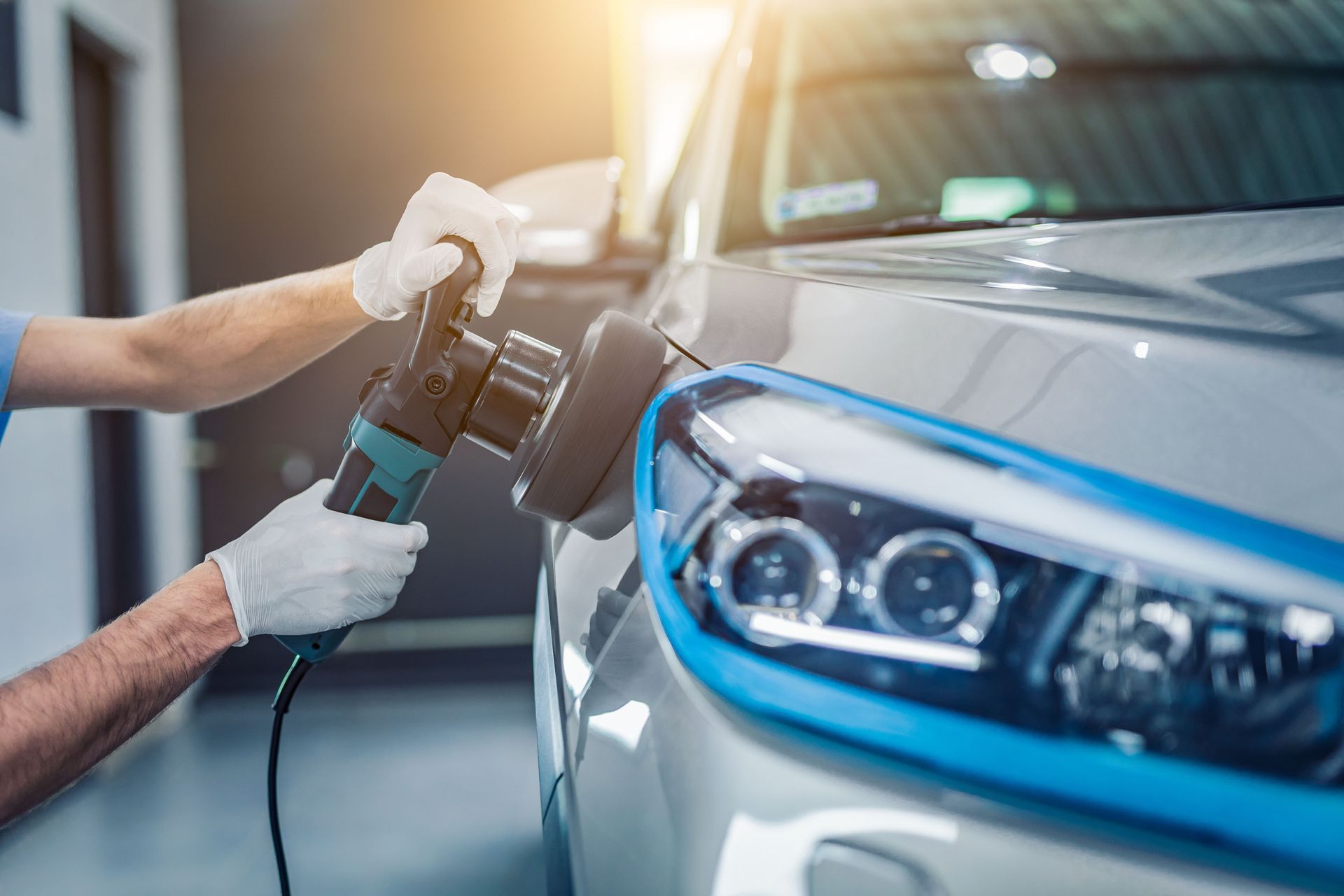
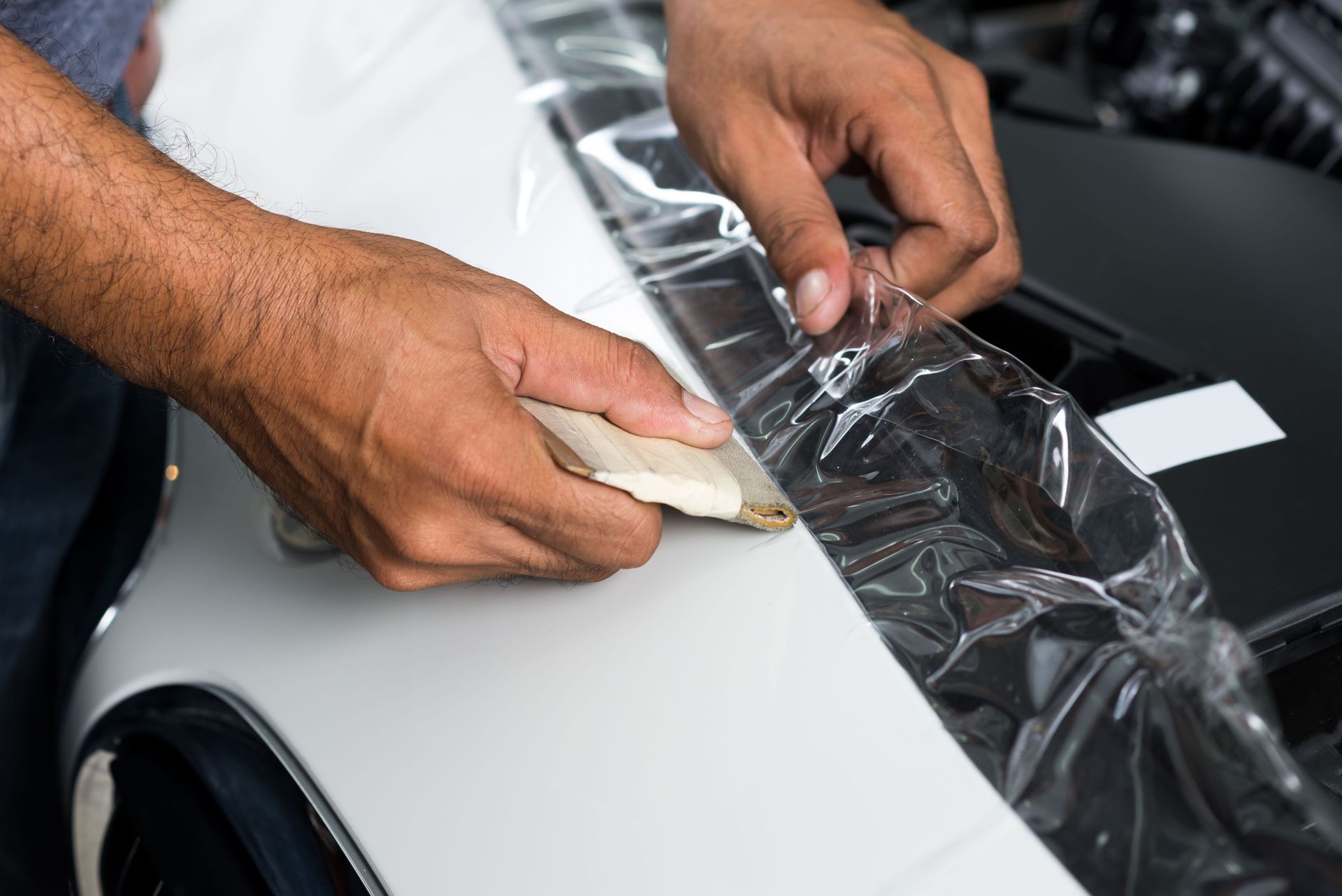
Even a high-quality product can underperform when applied incorrectly. Preparation may include washing, decontamination, and paint correction to remove debris and imperfections. Ceramic coatings require careful application, while PPF must be fitted accurately to prevent bubbles, lifting, and visible edges. Professional installation helps ensure even coverage and identifies existing paint concerns. Proper preparation is essential for achieving attractive, lasting results, especially when investing in professional paint protection.
Considering Driving and Weather Conditions
Daily driving exposes vehicles to more potential damage than occasional use. Highway travel increases the risk of stone chips, while construction zones introduce abrasive debris. Strong sunlight may accelerate fading, and road salt can contribute to surface contamination. Drivers in coastal areas face additional exposure to airborne salt. Parking in a garage or shaded area and inspecting the finish regularly can help extend the treatment's lifespan. Vehicles exposed to harsh conditions may also benefit from more frequent cleaning to prevent contaminants from accumulating.
Maintaining Protection for Long-Term Results
Washing With Appropriate Products
Regular washing removes dirt, bird droppings, tree sap, and other contaminants before they affect the finish. Using pH-balanced automotive shampoo and clean microfiber materials helps prevent scratches. Harsh household detergents and abrasive brushes may damage coatings or leave unwanted marks. Washing the vehicle regularly prevents contaminants from accumulating and makes it easier to monitor the protective layer's condition. Drying the vehicle with a clean microfiber towel can also help minimize water spots and preserve its glossy appearance.
Avoiding Unnecessary Surface Damage
Automatic car washes with abrasive brushes may create swirl marks, particularly on darker finishes. Hand washing with appropriate tools offers greater control. Drivers should also remove bird droppings, insect residue, and tree sap promptly because these substances can damage paint if left untreated. Careful cleaning habits help preserve the finish and support the effectiveness of protective treatments.
Scheduling Inspections and Reapplication
Protective products eventually wear down, even with consistent maintenance. Inspections can reveal changes in gloss, water behavior, surface texture, or film condition. Wax and sealants generally require more frequent reapplication than ceramic coatings or PPF. Following manufacturer recommendations and addressing deterioration promptly helps maintain protection. Owners should consider both the expected lifespan and the product's actual condition when planning maintenance. Regular assessments help determine whether existing paint protection is still performing as intended.
Identifying Signs of Deterioration
Noticing Changes in Shine
A dull or uneven finish may indicate contamination or coating deterioration. Washing the vehicle thoroughly can help determine whether accumulated grime is responsible. If the finish remains dull after cleaning, professional inspection may be worthwhile. Depending on the condition of the paint, the solution could involve decontamination, polishing, or a replacement treatment.
Monitoring Water Behavior
Many protective products encourage water to bead or slide off the surface. When this behavior decreases, contamination or diminished coating performance may be responsible. However, reduced water beading does not necessarily mean the coating has failed. Dirt and mineral deposits can interfere with water behavior. Cleaning the surface and following care recommendations may restore performance. Persistent issues warrant professional assessment.
Checking for Visible Damage
Scratches, chips, peeling film, and lifting edges should be addressed before they worsen. PPF absorbs some impacts but cannot prevent every scratch or collision-related mark. Ceramic coatings offer limited resistance to physical damage and are not substitutes for protective film. Regularly checking the hood, front bumper, and side mirrors helps owners identify concerns early and protect the surrounding finish. Addressing damaged film promptly can also prevent peeling edges from spreading and exposing additional painted surfaces.
Balancing Costs With Long-Term Value
Evaluating Initial Expenses
The upfront cost of a protective treatment varies according to the product, vehicle size, surface condition, and installation requirements. Wax and sealants generally cost less, while professional ceramic coatings and PPF require a larger investment. Film applied to multiple panels may cost more than coverage limited to high-impact areas. Owners should weigh these expenses against their driving habits, budget, and ownership plans. Investing in appropriate paint protection can be especially worthwhile for drivers who want to preserve a newer vehicle over several years.
Reducing Potential Repair Costs
Protective treatments may reduce certain paint-related expenses by limiting exposure to common sources of damage. PPF helps defend against small stones, while coatings simplify cleaning and manage environmental contamination. However, protection does not eliminate scratches, chips, or the need for repainting. Choosing coverage based on driving conditions and likely risks can make the investment more practical.
Preserving Appearance and Resale Appeal
A well-maintained exterior can make a vehicle more appealing to prospective buyers. Paint that retains its color and gloss, with fewer visible chips and scratches, creates a positive impression. Although paint condition is only one factor in resale value, it can influence buyers' perceptions. Regular maintenance and careful ownership help preserve the vehicle's appearance and marketability.
Choosing the Right Long-Term Protection
The length of time a vehicle stays looking new depends on product quality, installation, driving habits, weather exposure, and maintenance. Wax and sealants offer short-term options, ceramic coatings provide durable surface protection, and PPF delivers additional defense against physical impacts. Understanding these differences helps owners make informed decisions. Consistent care and timely inspections can further extend the benefits of a suitable treatment. Drivers should also consider how long they plan to keep their vehicles when deciding how much to invest in exterior protection. Contact Highline Customs to discuss suitable options and keep your vehicle looking its best.