June 11, 2026
In today’s automotive landscape, protecting a vehicle’s exterior is no longer just about keeping it clean—it’s about preserving long-term value. Automotive Paint Protection Film, often referred to as PPF, has become one of the most effective ways to safeguard a car’s paint from everyday damage, environmental exposure, and long-term wear.
Rather than being a cosmetic accessory, PPF functions as a transparent protective layer engineered specifically for automotive finishes. It helps maintain the factory look of the vehicle while reducing deterioration over time, ultimately supporting stronger resale value and lower maintenance costs.
The Foundation of Paint Protection Film Technology
Modern automotive PPF is typically made from thermoplastic polyurethane (TPU), a material designed for both durability and flexibility. This allows the film to conform smoothly to complex vehicle surfaces such as bumpers, hoods, mirrors, and fenders without distorting the paint beneath it.
What makes PPF especially effective is its layered construction. The outer surface is engineered with a self-healing top coat that can recover from light scratches and swirl marks when exposed to heat from the sun or warm water. Beneath that, a highly elastic polyurethane layer absorbs physical stress and impact, while a pressure-sensitive adhesive layer ensures a strong yet safe bond to factory paint. This structure allows the film to act as a sacrificial barrier—taking damage instead of the paint itself.
As material science continues to advance, modern PPF has become clearer, more durable, and more resistant to yellowing and environmental wear than earlier generations. These improvements have helped establish paint protection service as a long-term preservation solution rather than a short-term cosmetic upgrade.
Why Modern PPF Feels Nearly Invisible
One of the key advantages of high-quality PPF is its optical clarity. Once installed correctly, the film is virtually invisible, allowing the original paint color, gloss, and finish to remain unchanged. This is especially important for owners who want protection without altering the design intent of their vehicle.
In many cases, the film enhances the appearance of the paint by adding depth and gloss, while matte variants can create a satin or stealth finish without repainting the vehicle. The result is protection that integrates seamlessly into the vehicle’s design rather than sitting on top of it as a visible layer.
Professional Installation and Long-Term Performance
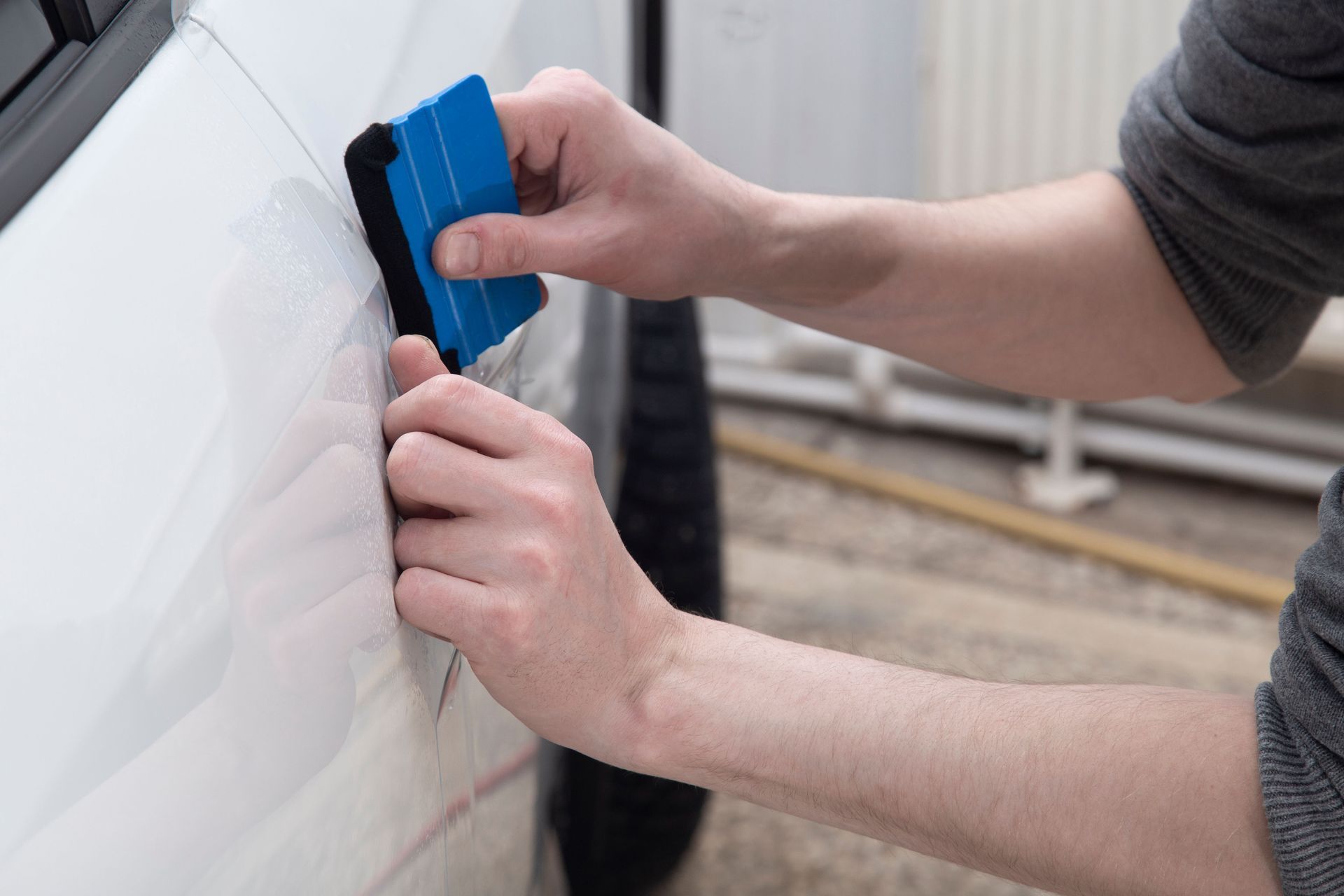
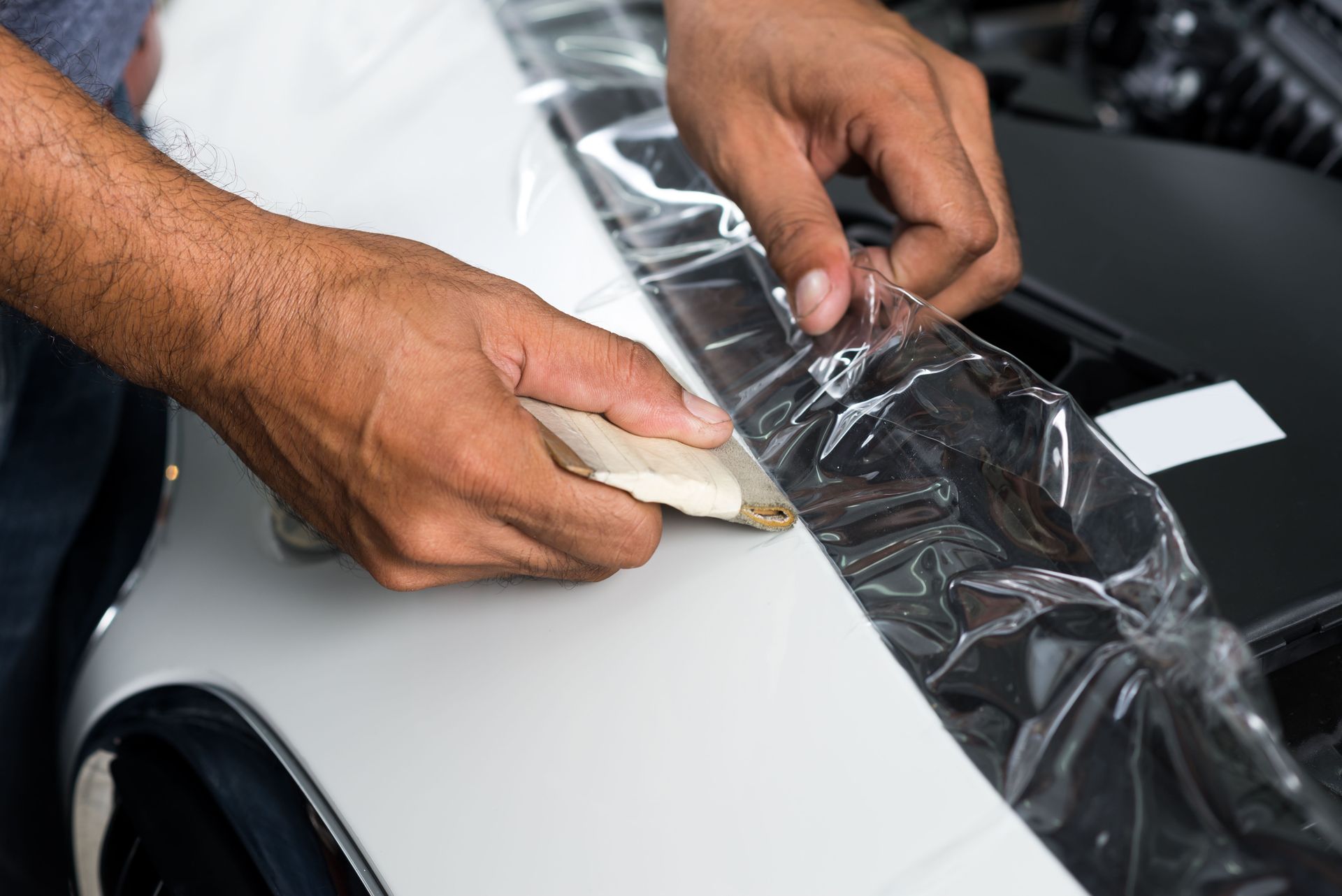
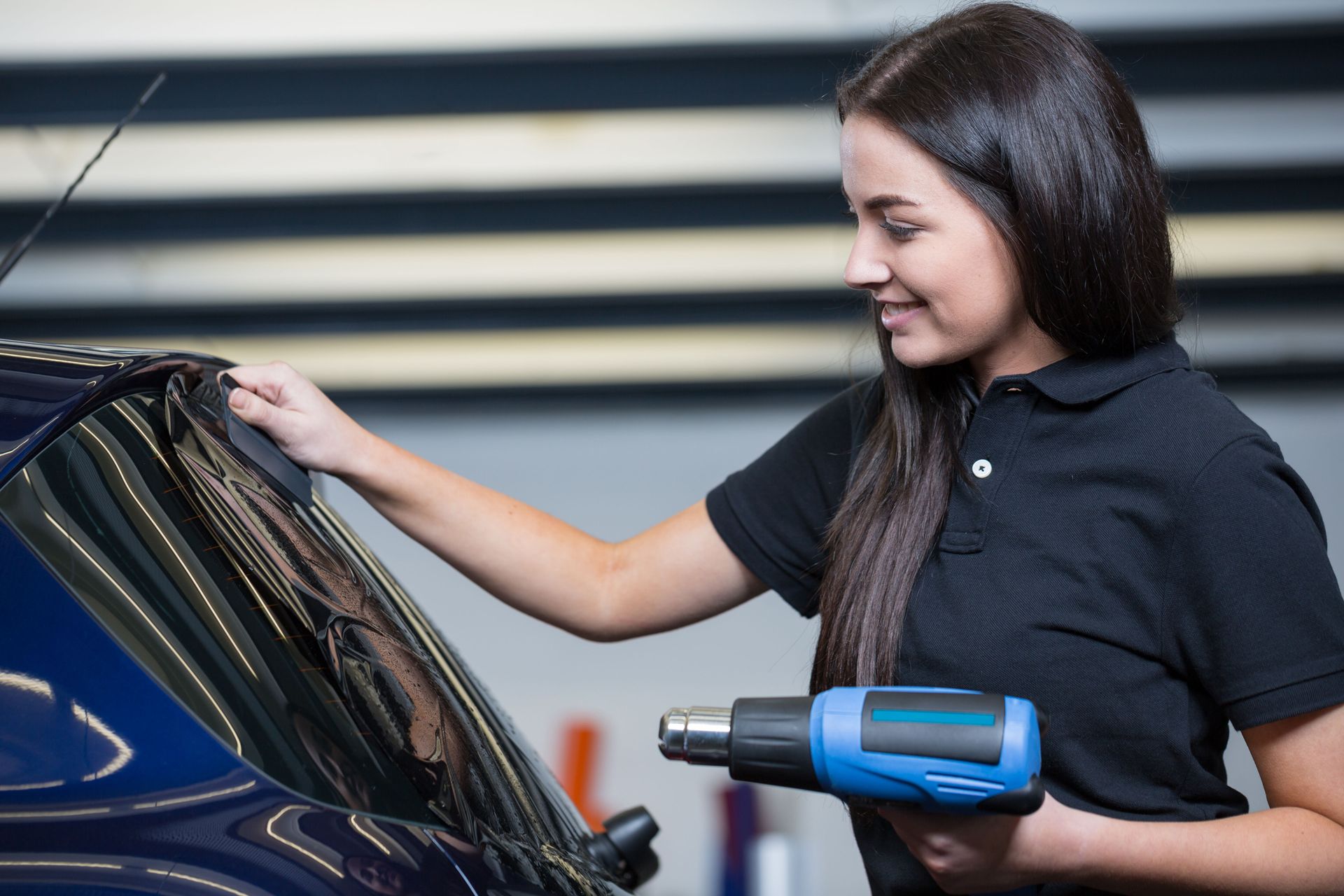
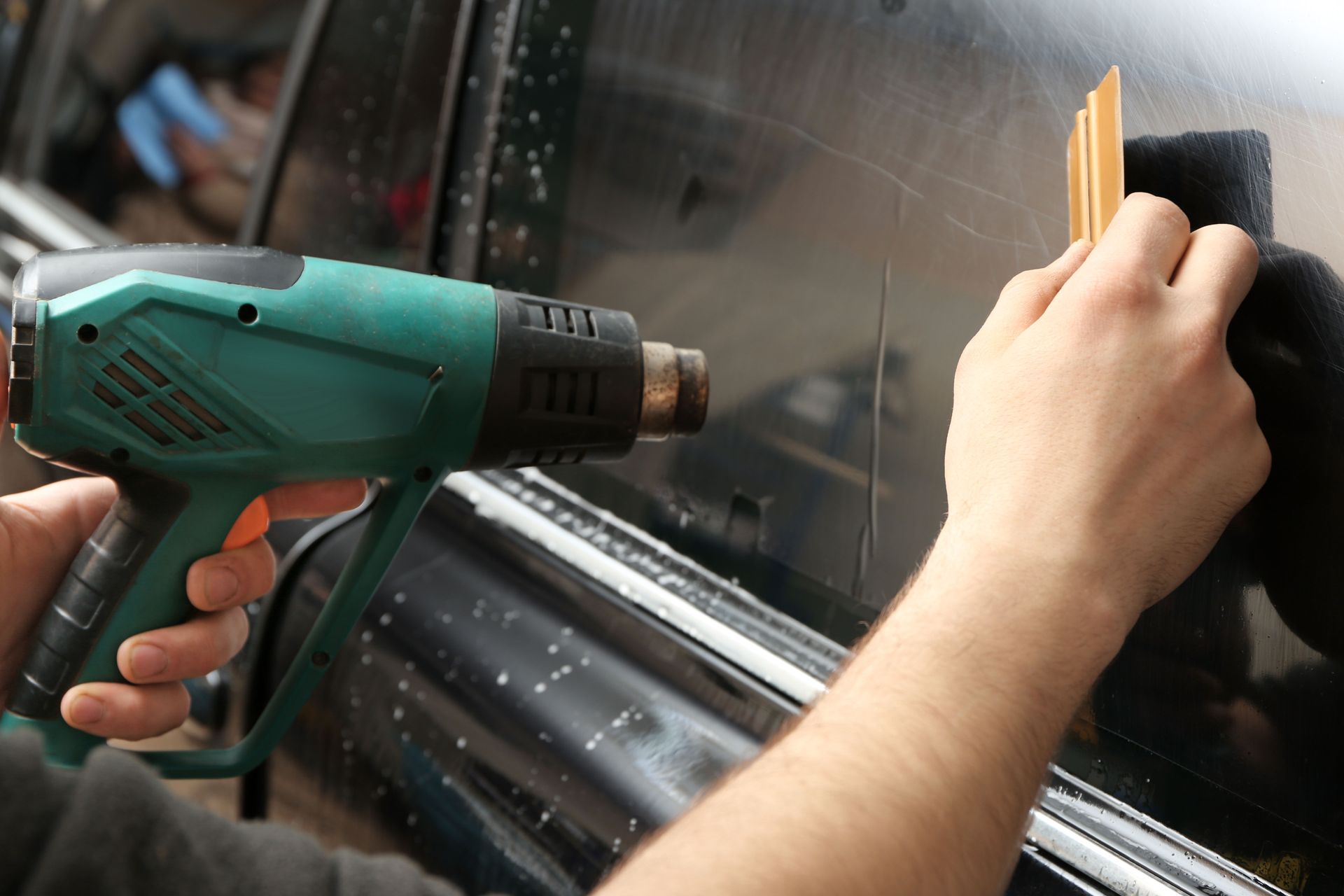
While Paint Protection Film (PPF) is engineered with advanced materials, its real-world performance depends heavily on proper installation. Even the highest-quality film can underperform if it is not applied in a controlled environment with the correct surface preparation and techniques. For this reason, professional installation plays a critical role in achieving a seamless finish and long-term durability.
Before application, the vehicle surface must be thoroughly decontaminated to remove wax, oils, and microscopic debris. Any imperfections left on the paint can become visible once the film is applied, which is why detail-level preparation is often as important as the film itself. Skilled installers then carefully align and stretch the film to match each panel’s contours, ensuring clean edges and minimal visible seams.
When installed correctly, PPF adheres evenly without bubbles, lifting, or distortion. This precision not only improves aesthetics but also ensures that the protective properties of the film remain consistent across the entire surface. Poor installation, on the other hand, can reduce adhesion quality and shorten the lifespan of the film, especially in areas exposed to frequent washing or extreme weather.
Over time, paint protection service is designed to remain stable under real driving conditions, maintaining clarity and adhesion for years. This stability is one of the reasons it is widely used on premium vehicles and performance models, where both appearance and protection are equally important.
Real-World Protection Against Daily Driving Damage
Every vehicle is exposed to constant minor hazards, even during normal driving. Small stones, road debris, parking lot contact, and abrasive washing techniques all contribute to gradual paint deterioration. PPF is designed specifically to reduce this type of wear by absorbing and dispersing impact before it reaches the factory clear coat.
Instead of allowing a stone chip to damage the paint, the film takes the hit and distributes the force across its surface. This dramatically reduces visible damage over time, especially on high-impact zones like front bumpers and hoods. For daily-driven vehicles, this difference becomes noticeable within the first few months of ownership.
Scratch Resistance and Self-Healing Performance
Beyond impact protection, PPF plays a major role in reducing light surface damage such as swirl marks and micro-scratches. These imperfections commonly occur during washing, drying, or routine contact with dirt and dust particles.
Modern paint protection service addresses this through its self-healing top layer. When exposed to heat, the surface re-levels itself, causing minor scratches to fade or disappear entirely. This helps maintain a consistently clean and glossy appearance without frequent polishing or correction. For owners of high-end vehicles, this feature is particularly valuable because it preserves a premium finish with significantly less maintenance effort over time.
UV, Heat, and Environmental Resistance
Paint damage is not only caused by physical impact but also by long-term exposure to sunlight, temperature changes, and environmental contaminants. Paint protection service includes UV-resistant technology that helps prevent oxidation, fading, and clear coat breakdown caused by prolonged sun exposure.
In warmer climates or vehicles frequently parked outdoors, this protection helps maintain paint depth and color consistency. At the same time, the film can reduce heat absorption on treated surfaces, contributing to a more stable exterior condition and reduced stress on paint layers.
Environmental resistance is another important factor. Road salt, acid rain, bird droppings, tree sap, and industrial pollutants can all damage unprotected paint if left untreated. PPF acts as a barrier against these contaminants, making cleaning easier and reducing the likelihood of permanent staining or etching.
Long-Term Value and Ownership Benefits
While paint protection service is often viewed as an upfront investment, its real value becomes clearer over time. By preserving factory paint condition, it reduces the need for repainting, detailing corrections, and cosmetic repairs. This not only lowers long-term maintenance costs but also helps preserve resale value.
Vehicles with well-maintained exterior protection often stand out in the used market because paint condition is one of the most visible indicators of care and ownership quality. Specifically, according to Yahoo, PPF can raise a vehicle's resale value by roughly 15%. In many cases, a properly protected vehicle retains a more “like-new” appearance even after years of use, which can significantly influence buyer perception.
Beyond aesthetics, paint protection services also help avoid the hidden depreciation that comes from cumulative surface wear. Even minor chips, swirl marks, and fading can gradually reduce perceived value, especially on newer or higher-end vehicles where buyers expect a near-flawless finish. PPF helps slow this visual aging process, allowing the vehicle to maintain a consistent appearance throughout its ownership cycle.
This becomes particularly important for leased vehicles or those intended for resale within a few years, where end-of-term condition assessments can directly impact financial outcomes. A well-protected exterior can reduce reconditioning costs and strengthen negotiation power when selling or trading in the vehicle, making PPF not just a protective measure but a strategic ownership decision.
Automotive Paint Protection Film has evolved into one of the most effective solutions for preserving vehicle appearance and value. By combining impact resistance, self-healing technology, UV protection, and environmental shielding, PPF provides a comprehensive layer of defense that works continuously in the background of everyday driving.
For vehicle owners who see their car as a long-term investment, a paint protection service offers a practical way to maintain factory finish quality while minimizing the impact of real-world driving conditions. To learn more about the PPFs available and to schedule service for your vehicle, reach out to the pros over at Highline Customs today.